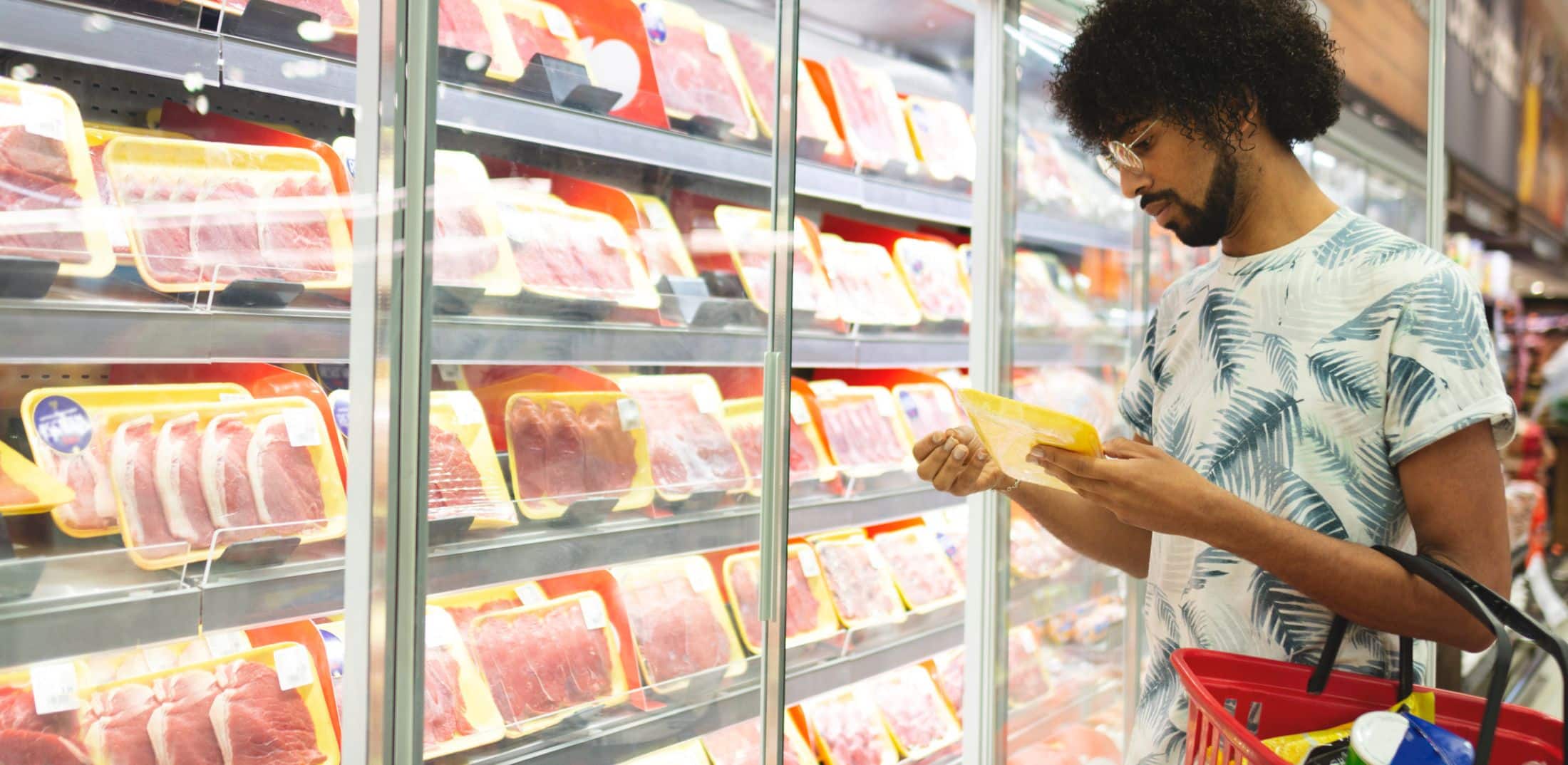
Just How Far Will Big Meat Go to Keep You Eating Meat?
Americans love meat. Just look at some of our nation’s more prized traditions, and it is impossible to ignore. From cookouts with various meats lined up on a grill to chicken wings on Super Bowl Sunday and turkey on Thanksgiving. Meat is everywhere you look.
The average American consumes 224.6 pounds of meat each year. That’s about 12 ounces per day. According to data from the United States Department of Agriculture, that’s around 40% more than what’s recommended.
Consuming meat, particularly red and processed meats, has been linked to significant health risks. The World Health Organization classifies processed meats as carcinogenic, and red meats like beef are also associated with increased health concerns.
Industrial animal agriculture, which accounts for 99% of all meat production, is regularly linked to water pollution, soil degradation, deforestation, and staggering greenhouse gas emissions.
So, why do we keep eating so much of it? The answer is multifaceted, but a primary driver is that corporations want to keep it this way. And they will spend heavily to keep us buying and eating their products.
Let’s look at the marketing tactics they rely on.
Do We Really Need to Eat Meat?
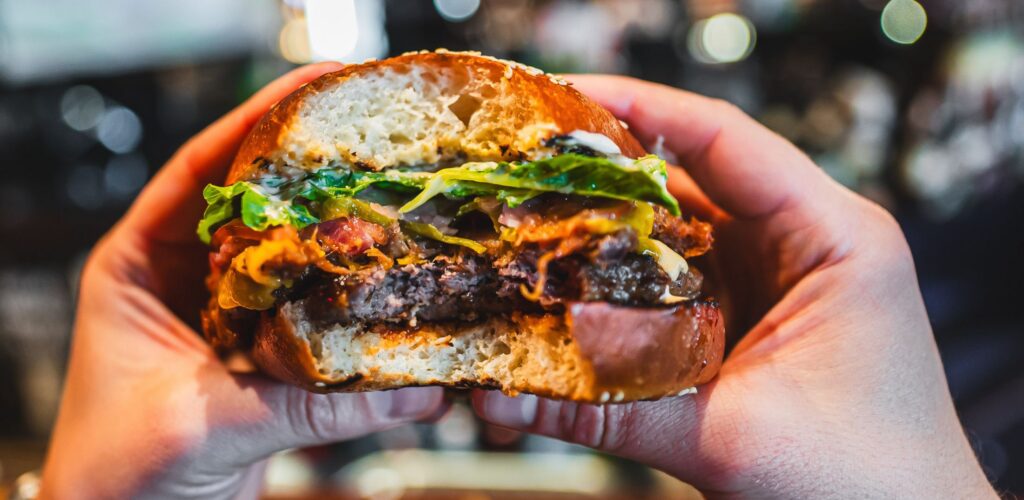
One of the classic claims is that meat is not only good for us, but it’s essential for a healthy diet. In most countries, meat is highlighted as nutritionally important, especially for children. It is woven into our everyday rituals. This messaging helps build lifelong meat-eaters.
Advertisements for meat products often highlight high levels of iron, zinc, and vitamin B12. They frame meat as necessary for staying fit and active, while omitting the fact that there are other healthy sources of these essential nutrients. Let’s not forget protein-driven messaging. While many claim that meat is the best source of healthy protein, this has been widely disproven.
In spite of this, health-driven labeling is often effective amongst consumers. A study conducted by Greenpeace showed that meat companies reinforce the health claims of their products by adding terms consumers view as guilt-free. These include gluten-free, no preservatives, a good source of protein, and 100% quality. These labels reinforce the narrative that meat is a necessity, while omitting all evidence to the contrary.
Greenpeace also found that advertisements often portray children eagerly craving meat snacks and meat sandwiches. The product packaging appeals to children, sparking “pester power,” the use of child-focused appeals to pressure parents into making a purchase. This is yet another step in hardwiring meat-eating as a healthy and desirable practice.
Is There a Connection Between Meat and Masculinity?
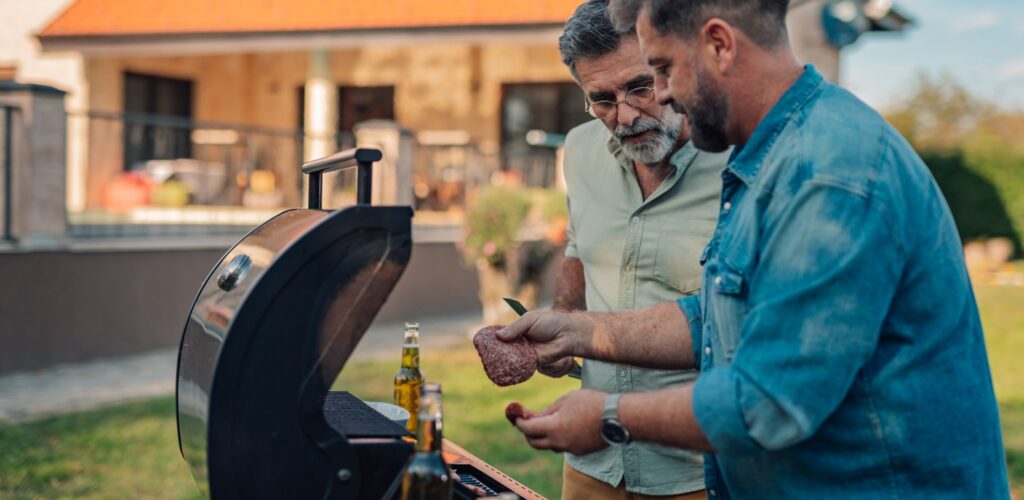
“Real men eat meat.” The enduring cultural perception that eating meat, especially red meat, makes someone more of a “real man” continues to shape attitudes and expectations around masculinity. Meat is aggressively marketed towards men. Meat is often portrayed in advertisements associated with male strength, assertiveness, dominance, and virility.
For example, Carl’s Jr. has a history of showing blatantly sexist commercials. The fast food chain’s ads were aimed at “young hungry guys,” often showing enormous burgers being devoured by groups of fit, good-looking men. According to Greenpeace, these types of advertisements “[imply] that meat helps men belong.”
If women appear in these advertisements, they are most often portrayed as symbols for meat or in submissive roles. Women are shown purchasing or cooking meat for male consumption. If they consume meat, it is most likely white meat or thin slices of charcuterie. This imagery strengthens the suggestion that meat-eating and masculinity are related.
In case their messaging wasn’t enough, many brands also use humor to show vegetarianism as weak or feminine.
Can Factory-Farmed Meat Really Be Green?
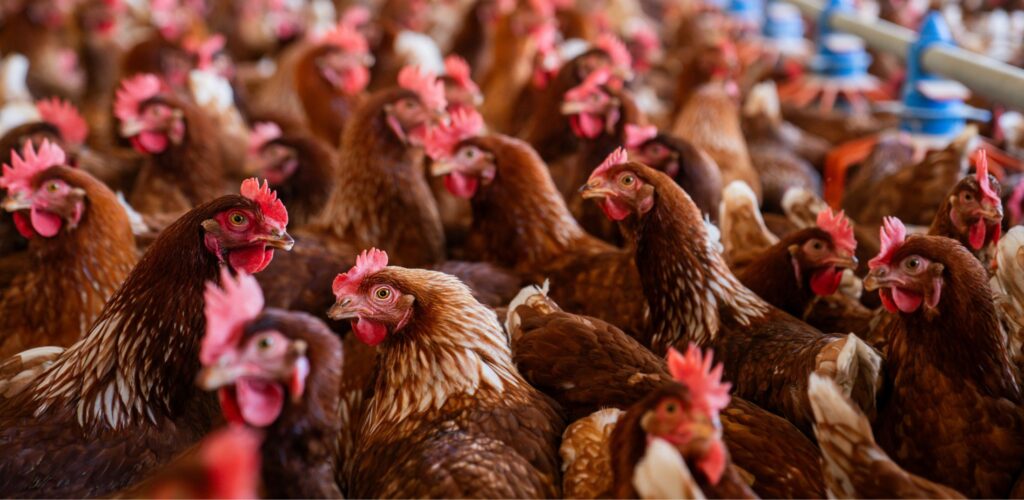
It is widely accepted that the industrial meat industry is harmful to the planet. To protect profitability, lobbying groups and corporations are challenging public perception. Meat and dairy products are marketed with green and environmental labels to position them as part of the climate solution.
Terms such as ‘free-range’, ‘artisanal’, ‘small-scale’, ’grass-fed’, and ‘farm-fresh’ started out as ways to distinguish between factory farming and smaller operations, but without regulations over these terms, the industrial meat industry has co-opted them. As a result, consumers think they are choosing more ethical products. This keeps consumers buying factory-farmed products.
Another way companies are trying to win over environmentally conscious consumers is by reducing their plastic packaging. Brands that have pulled it off are “proclaiming their green credentials from the rooftops.” Using packaging that is recycled or recyclable is low-hanging fruit in a quest to be deemed more sustainable, and industrial meat is loving it.
In spite of all these tactics, many critics argue that industrial animal agriculture cannot realistically be considered sustainable. Even a clear path to carbon neutrality seems far off base.
Read more: Big Ag’s Big Lies: Debunking the Meat Industry’s Green Myths
Does the Picture Perfect Farm Exist Anymore?
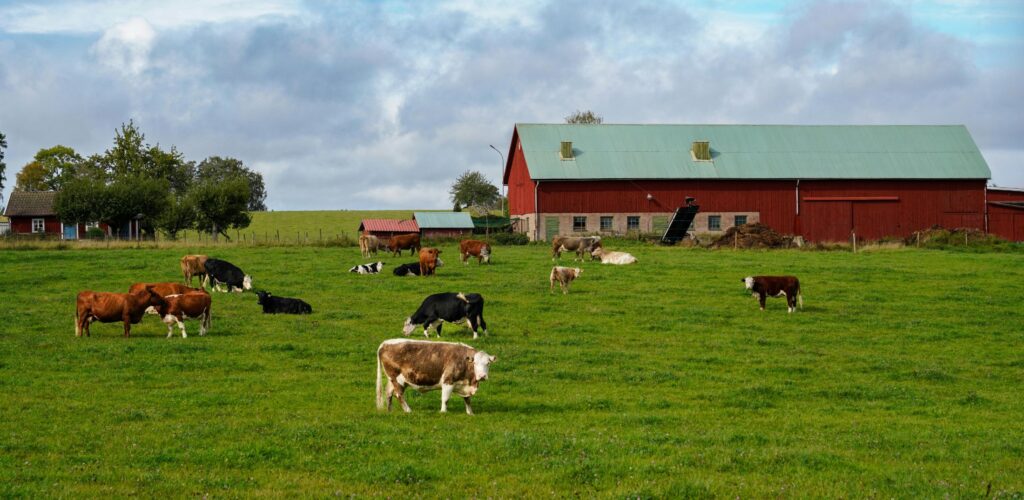
Picture images of rolling hills, a small red barn, and cows prancing in wide open pastures. You’ve likely seen ads like this recently. The industry romanticises the family farmer with their sprawling acres, happy and healthy livestock, making enough money to feed their family. Product labels are inspired by nature with imagery such as natural wood, sunrays, imperfect typography, and perfect vegetables. These visualizations suggest the meat is healthy, sustainable, and slow food, not factory-farmed.
The overwhelming majority of animals consumed in the United States are raised on factory farms, including
- 99.96% of chickens
- 100% of farmed fish
- 98.3% of egg-laying hens
- 99.8% of turkeys
- 75% of cows
- 98.6% of pigs
As for the happy, successful farmer? Contract farmers in the factory farming system are struggling. They spiral into debt, most not making enough to get by.
Read more: What is Contract Farming?
Are Plant-Based Diets Bad?

Just as big meat corporations spend time and money painting plant-based eating as weak and feminine, they have also been accused of actively discrediting meat-free diets online. This is a new tactic in their quest to stay ahead of a consumer base with growing environmental and ethical concerns about their food.
In December 2025, a whistleblower came forward claiming that a United States-based meat industry trade group paid them and others to discredit plant-based diets for over a year.
The anonymous Reddit users said that those hired made multiple accounts online and “pretended to be vegans who had bad health outcomes,” or pretended to be vegans to “push the vegan subs to be more extreme and therefore easier to discredit.” The whistleblower even claimed that “half the accounts on certain Reddit subs about this topic are not genuine.” The topics that were more targeted were discounting veganism on nutritional grounds and arguing about sustainability.
Additionally, research by DeSmog found that the PR firm Red Flag was employed by the meat industry to brief journalists, think tanks, and influencers to frame the 2019 EAT-Lancet diet (a sustainable, plant-forward eating pattern designed to improve health and environmental sustainability by 2050) as “radical,” “out of touch,” and “hypocritical.”
“I do warn you, don’t believe that everyone is who they say they are online,” the whistleblower said.
Big Meat’s Playbook in Denial and Deflection

What happens when these tactics are questioned? Big Meat learned from the best: the tobacco industry. In the 1950s, as evidence tied tobacco to cancer, the industry built a playbook to fend off regulation and keep sales strong. Since then, other harmful industries, from oil to industrial meat, have used the same tactics to protect profits despite the damage they cause.
In an effort to save revenue and ward off marketing regulation, they resort to denial and deflection. This usually involves paying scientists to reach conclusions that contradict all the independent research. They then incentivize people with influence to cite these claims. Even a little doubt can derail reform or regulatory plans. Their power and influence allow them to carry on without any consequences.
Transforming the System
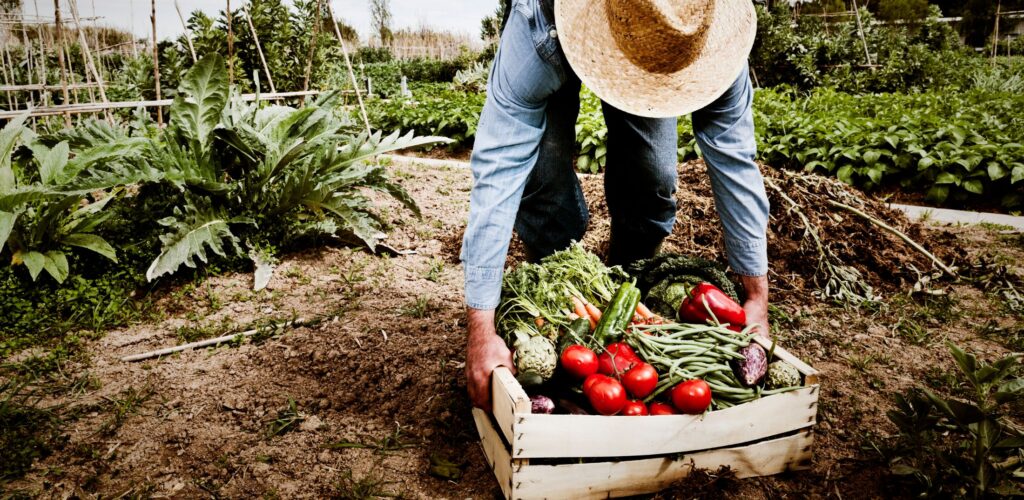
The motive for all this deception is simple: money and corporate greed. Big Meat is run by big corporations. Their greatest concerns surround padding their own profits and those of their shareholders.
The meat industry goes to great lengths to keep people eating meat, regardless of the human or planetary cost. Breaking this cycle means demanding honest reporting, supporting small-scale farmers, and restructuring policies that favor people over corporations.
The Transfarmation Project® provides a viable transition pathway for farmers seeking alternatives to industrial animal agriculture, proving that agricultural transformation can drive community resilience and environmental protection.
Together we can build a better food system for all.