What Does Glyphosate Have to Do With Factory Farming?
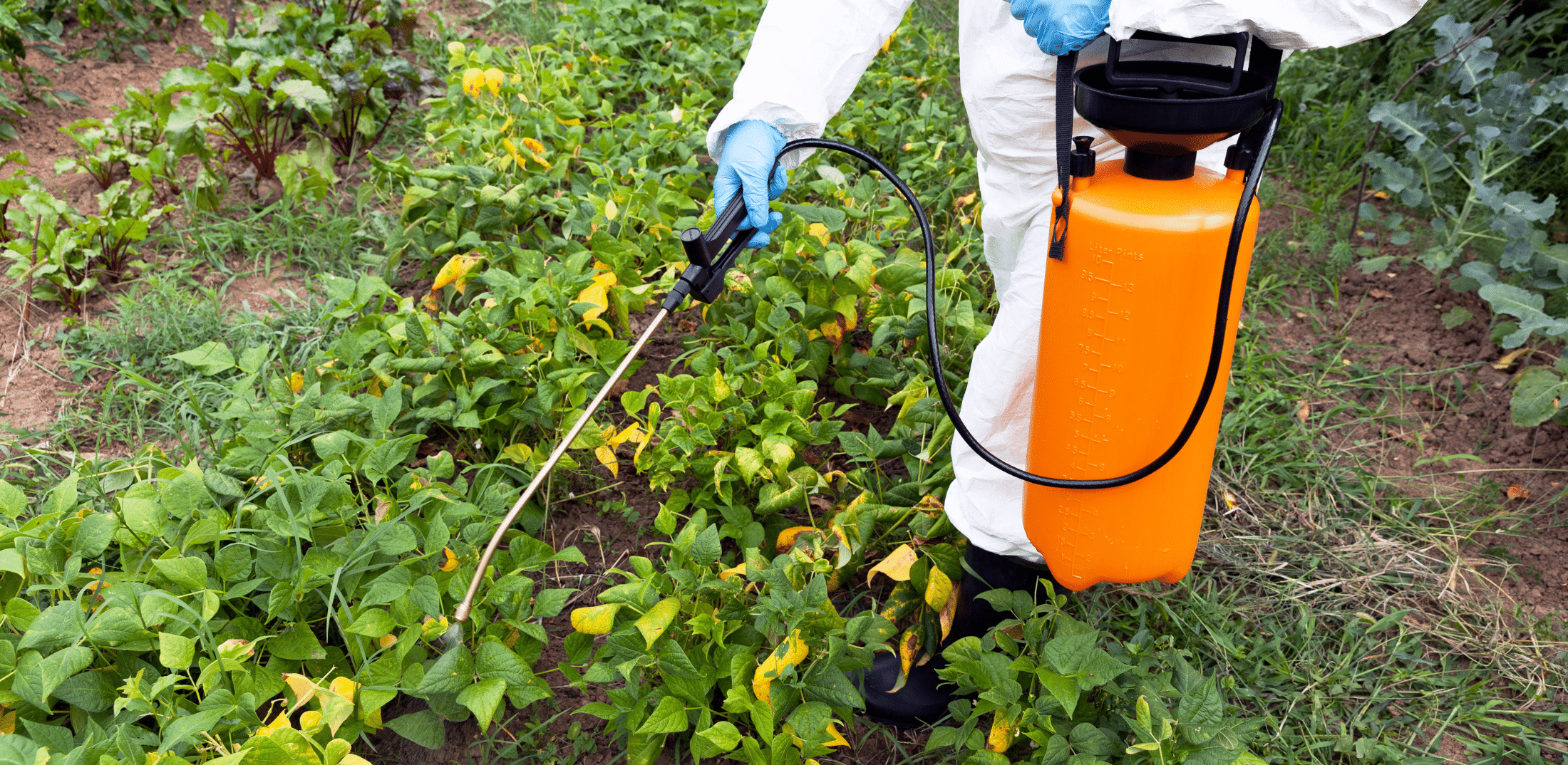
What is glyphosate? The short answer is that it’s the active ingredient in Roundup, one of the most common herbicides. The average consumer probably eats it every day without even realizing it. The longer answer touches our entire food system. Ultimately, glyphosate is more than just a weed killer. It’s part of a larger corporate system that controls how our food is grown.
But the concern extends beyond one chemical. It’s about the consolidation of seeds, feed, chemicals, and contracts. It’s the whole pipeline. If that sounds familiar, it’s because it’s a playbook we’ve seen before. Industrial animal agriculture, or factory farming, is also centralized, consolidated, and designed to maximize output at any cost.
How the United States Became Reliant on Glyphosate
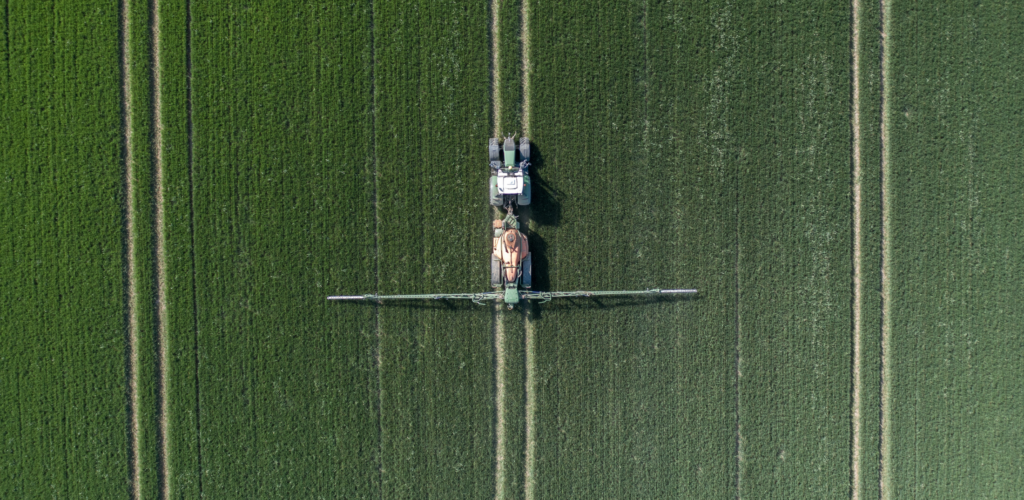
The Trump administration recently declared that glyphosate is essential to our nation’s food security. President Trump signed an executive order that ramps up production of the weed killer. It also issued protections for the manufacturers. So how did we become so dependent on a single chemical that it is considered a national defense priority?
Glyphosate has been around since the 1970s. Its use really took off in the mid-1990s, when the first glyphosate-resistant genetically modified crops (GMOs) were introduced. For the first time, farmers could spray weed killers over their entire fields without harming their crops. Because it was cheap, easy to use, and reduced labor, fuel, and equipment costs, its use spread fast. By 2015, around 90% of soy and corn were glyphosate-resistant.
With the rise of GMOs, glyphosate use also soared. It became central to animal feed production and no-till farming. Feed systems formed around the production of these commodity crops. Because seed and chemical companies are tied together, corporations also began consolidating, owning more and more of our food system. Further, lobbying dollars protect this status quo.
The Factory Farm Connection
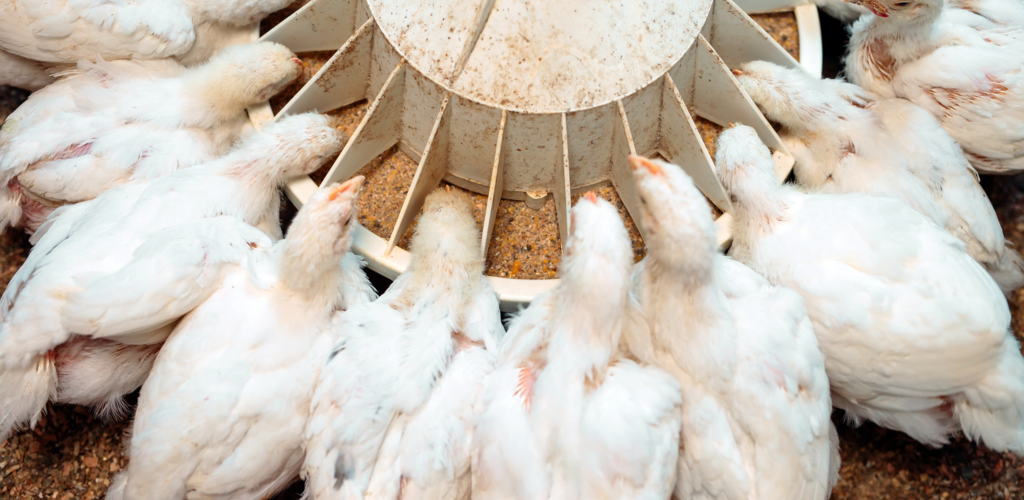
Paula Boles, a former contract poultry grower, once described the cycle clearly. She grew corn to feed her broiler chickens. She sprayed that corn with glyphosate. Then she fed that same sprayed corn to the chickens she was raising for Tyson. “Our whole food supply is tainted,” she said. Contract growers like Paula Boles have no control over what they feed to their animals. The corporation determines feed, medications, and other inputs.
That’s not a coincidence. On many factory farms, animal feed consists of corn and soy (often genetically engineered and sprayed with glyphosate). When these crops are treated with glyphosate, residues can remain in the harvested plants. According to the FDA, more than 95% of livestock animals eat GMO crops. Glyphosate becomes a routine part of the animals’ diet. Studies show that glyphosate residues can accumulate in animal tissues, milk, and eggs, potentially affecting animal health and the nutritional profile of animal products.
And the impact doesn’t stop there. We’ve heard from farmers trying to transition out of this system who say they can’t qualify as organic if neighboring farms spray glyphosate. Chemical drift through air and wind can compromise their land even if they’ve never used it themselves.
Glyphosate: What’s the Big Deal?
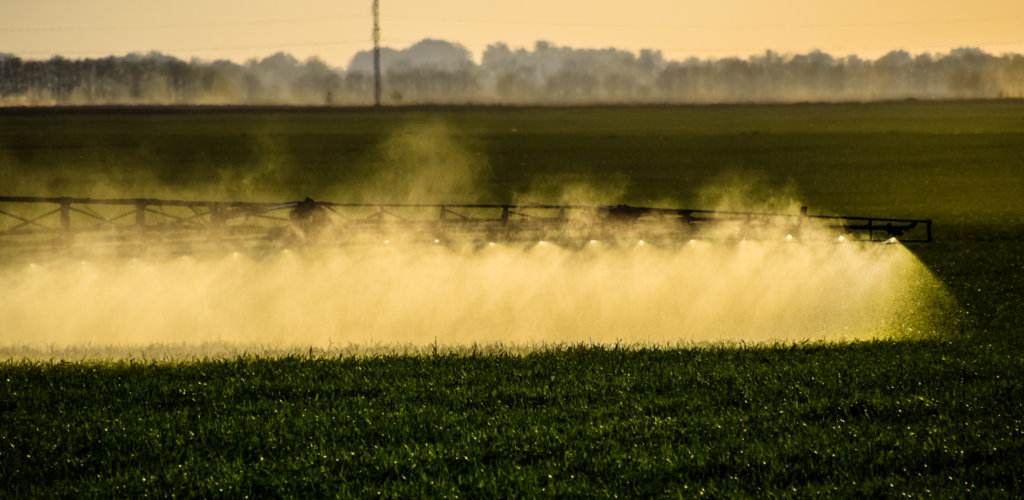
There is ongoing scientific debate about long-term, low-dose exposure and potential links to health effects such as cancer, endocrine disruption, or gut microbiome changes. In 2015, the International Agency for Research on Cancer classified glyphosate as “probably carcinogenic to humans.” However, the U.S. Environmental Protection Agency says it is unlikely to cause cancer at typical exposure levels.
Because glyphosate residues commonly turn up in food, water, and agricultural environments, the main scientific question today is whether long-term, low-level exposure poses meaningful health risks. Glyphosate’s associations with these risks have made the chemical a target in many wellness circles.
Despite these health concerns, President Trump issued an executive order that not only increased domestic supply and production but also granted legal protection to producers. Representative Thomas Massie (R-KY) introduced the bipartisan “No Immunity for Glyphosate Act” in late February as a response to the president’s executive order. Rep. Massie feels that Americans should not lose their right to seek justice if they’ve been harmed.
“All three branches of this government is under siege by lobbyists and lawyers from a German company named Bayer. They spent over $9 million lobbying the executive branch and the legislative branch so that they don’t have to be liable for any damages that their herbicide causes.”
—Representative Thomas Massie (R-KY) on the House floor
There are currently around 65,000 outstanding Roundup-related cancer claims against Bayer, the sole US manufacturer of glyphosate. The company paid out over $11 billion in settlements and damages to tens of thousands of people for its glyphosate-based products.
A More Reliable Food System
Glyphosate is deeply embedded in our food system. Its prevalence reinforces corporate control over what we eat and may affect both animal and human health. When we talk about building a more reliable food system, this is part of the conversation.
Farmers deserve real choices. Communities deserve transparency. And our food system shouldn’t rely upon corporations. These beliefs are pillars of our mission at The Transfarmation Project®. We are proud to help farmers regain their autonomy and transition their farms to growing crops for human consumption.