Our Soil Is Under Pressure, and Farmland Is at Risk
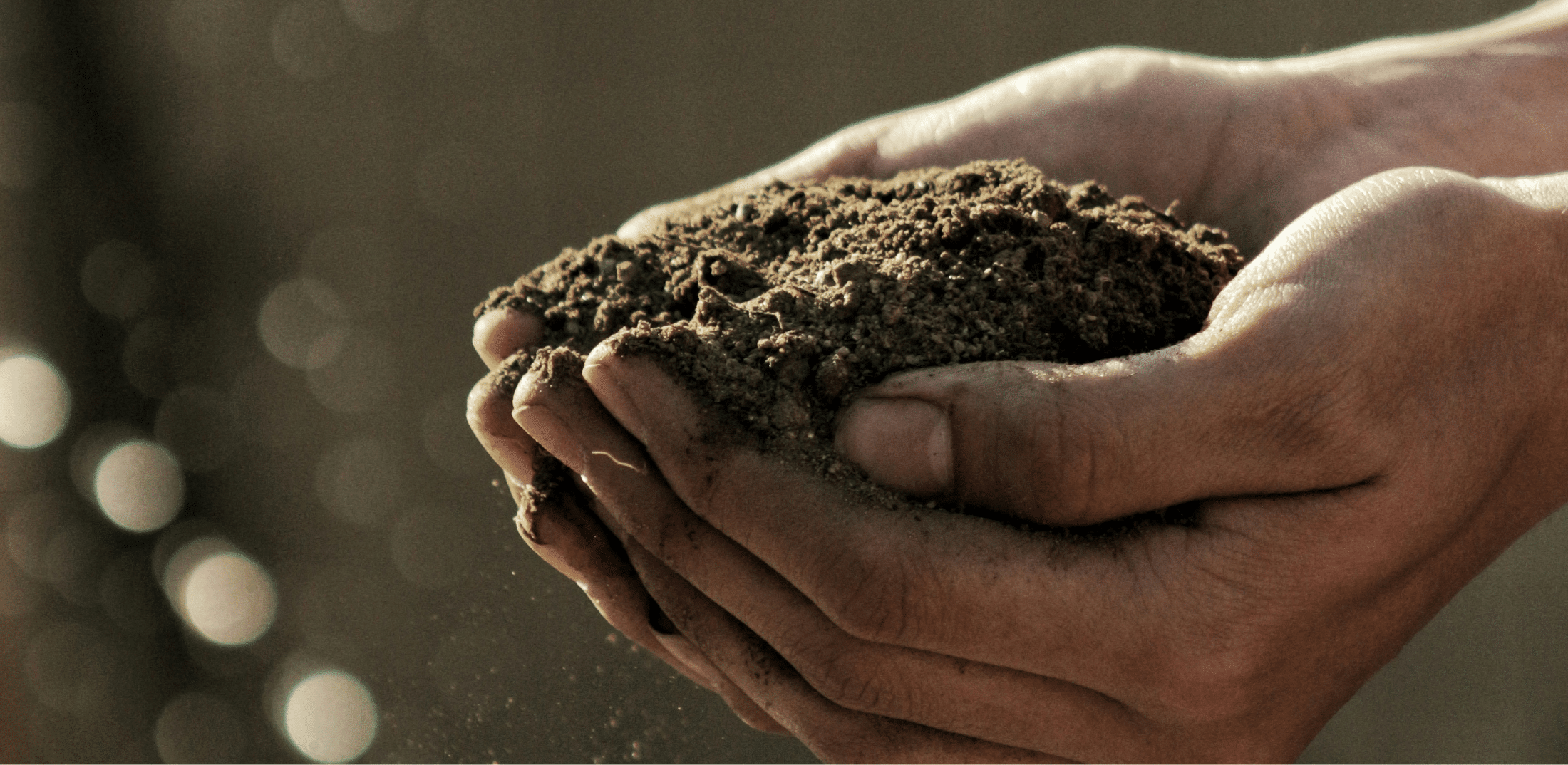
There are more microorganisms in a teaspoon of soil than there are people on Earth. That’s right. The “dirt” under your feet is brimming with life. Millions of different species, including bacteria, algae, microscopic insects, earthworms, beetles, and fungi, make up a complex and diverse ecosystem. It represents the planet's greatest concentration of biomass. The economic value of soil’s ecosystem services is estimated at over $11 trillion annually.
However, our soil is failing. Every five seconds, a soccer pitch of soil is eroded. It is estimated that by 2050, around 90% of Earth’s soils could be degraded. For decades, soil was treated as if it were endless and indestructible, but it is not. Soil is incredibly fragile.
Topsoil is used to grow 95 percent of our food, and it is disappearing far faster than it is being replaced. America’s Corn Belt has been hit especially hard. The depletion of agricultural soil is already threatening livelihoods, communities, and the food supply.
What’s Really Draining Our Soil’s Health?
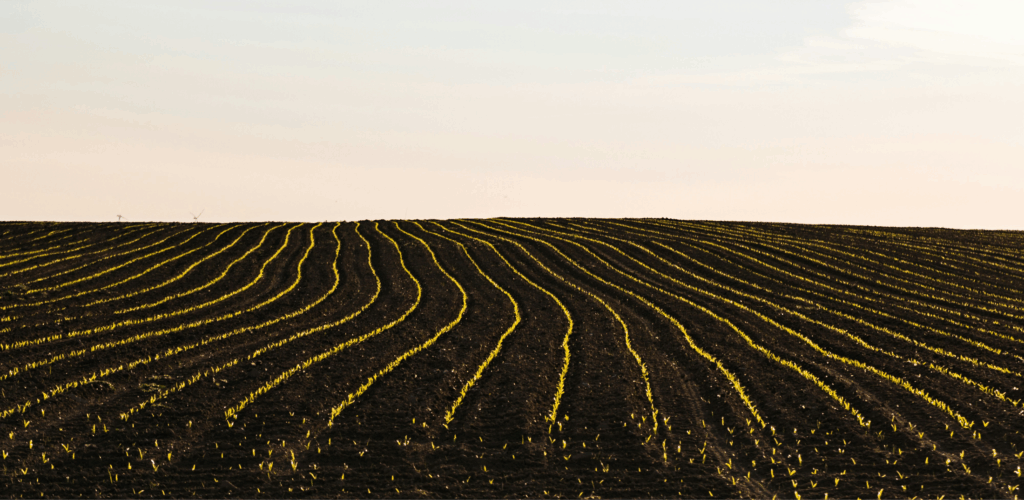
Human activity has altered more than 70 percent of Earth’s land, leading to the degradation of forests, peatlands, grasslands, and other ecosystems. The degradation of these ecosystems diminishes soil fertility, reduces crop yields, and threatens food security. According to some estimates, between one and six billion hectares of land are now considered degraded.
One of the most significant causes of land alteration is industrial agriculture, and it wreaks havoc on soil health. The use of heavy machinery, tilling, monocropping, and excessive pesticide and fertilizer use harms soil quality, pollutes nearby water sources, and contributes to biodiversity loss. Excessive fertilizer use specifically disrupts the nutrition balance, and pesticides harm beneficial soil organisms such as earthworms and fungi.
As soil quality degrades, crop yields decline with it. Poor soil means fewer nutrients and less water for plants, leading to stunted growth and lower yields. Erosion removes fertile topsoil, which can take hundreds of years to regenerate, diminishing the land’s productivity over time.
Soil degradation can also increase farmers' costs. As soil loses nutrients, farmers must buy and apply more fertilizers to compensate. Nutrient-poor plants are also more vulnerable to pests and diseases, requiring more pesticides for protection. Additionally, poorly drained and compacted soil can lead to waterlogged or drought-stricken fields, requiring more water and irrigation.
The food on our plates is driving this land alteration and its impacts. Our reliance on crops such as wheat, corn, and rice promotes monocropping. The practice of monocropping, growing a single crop on the same plot of land, year after year, depletes soil nutrients, reduces organic matter, and leads to erosion. Repeatedly using the same soil year after year for a single crop also increases runoff and the risk of plant diseases and pathogens.
These commodity crops are found everywhere in our diets, from coolers lined with beverages laden with high-fructose corn syrup to aisles of snacks with bleached flour. However, only half of the cropland is used to grow food directly for human consumption. A significant portion is used to feed livestock.
Diets high in animal products, particularly beef, are leading to significant land being cleared for grazing and feed crops, and overgrazing by livestock speeds up soil compaction and erosion.
What Can Farmers Do?
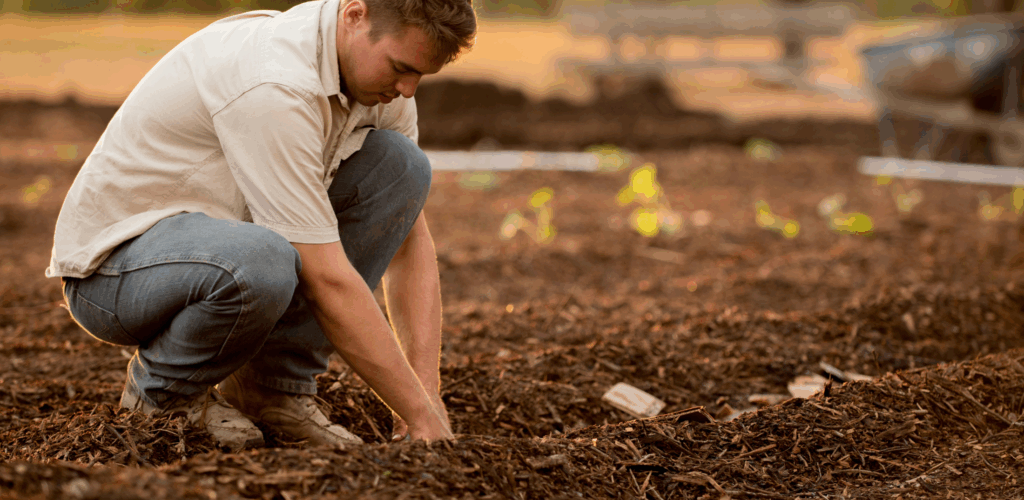
For farmers looking to conserve their precious soil, the USDA notes several actions they can take to maintain soil health for years to come.
- Minimize disturbance—Soil disturbances come from various sources, with the main culprit being machinery and tilling. While many disturbances are unavoidable, limiting their frequency and severity is a key strategy for building and maintaining healthy, functioning soils.
- Maximize soil coverage—Covering soil whenever possible is a good rule of thumb. Planting cover crops, using organic mulch, and leaving plant residue in place are all optimal ways to protect soil.
- Maximize biodiversity—Planting diverse cover crops and using diverse crop rotations can break disease cycles, stimulate plant growth, and provide habitat for pollinators and soil-dwelling organisms.
- Maximize the presence of living roots—Living roots help to reduce soil erosion and provide essential food for organisms, including earthworms and microbes, that cycle the nutrients that crop plants need to survive.
Ready to give your soil some love? Check out the USDA guide for step-by-step training and next-level insights.
For more farmer resources, including guides for growing specialty crops and business tips for selling your produce, check out Transfarmation’s Farmer Toolkit.
What Can Consumers Do?
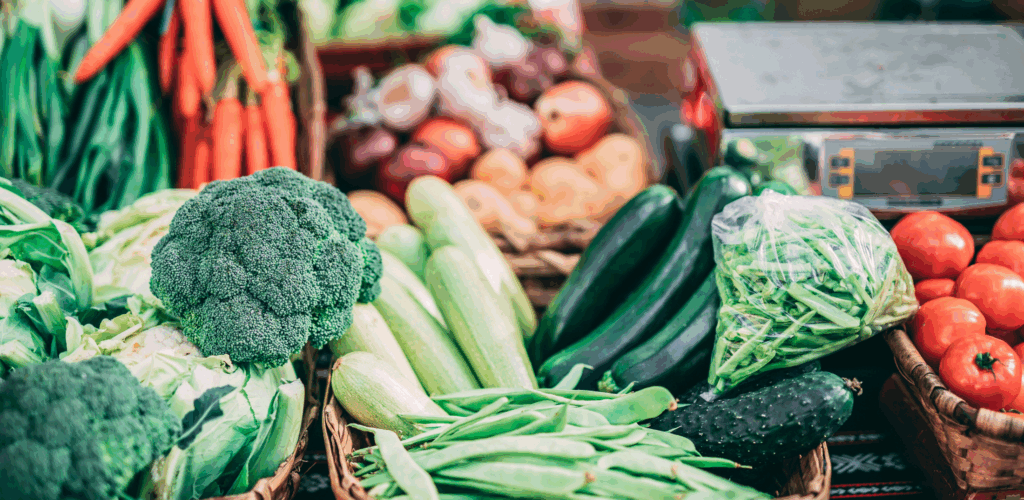
Consumers have more power to protect soil health than they might realize. By choosing better products from better farmers who prioritize practices like reduced tillage, cover cropping, and biodiversity, you help support an agriculture that builds soil rather than depletes it. Even small shifts in purchasing habits can strengthen markets for farmers who are restoring their land.
Another impactful step is reducing overall meat consumption, especially meat from operations that contribute to overgrazing and land degradation. Simply put, choose better products from better farmers, and your everyday decisions can help protect the land that feeds us all.