Big Ag’s Big Lies: Debunking the Meat Industry’s Green Myths
Last November, both JBS and Tyson were involved in lawsuits over their greenwashing tactics. The state of New York sued JBS for $1.1 million over its unsubstantiated “net zero meat” claims. Similarly, Tyson agreed to stop claiming that it was on a path to “net-zero by 2050” and that it had a “climate-smart beef” program to settle a lawsuit alleging greenwashing.
Greenwashing is defined as the practice of making misleading or “empty” claims about a product's or company’s environmental benefits. It is on the rise in the meat and dairy industries as companies attempt to address growing consumer concerns.
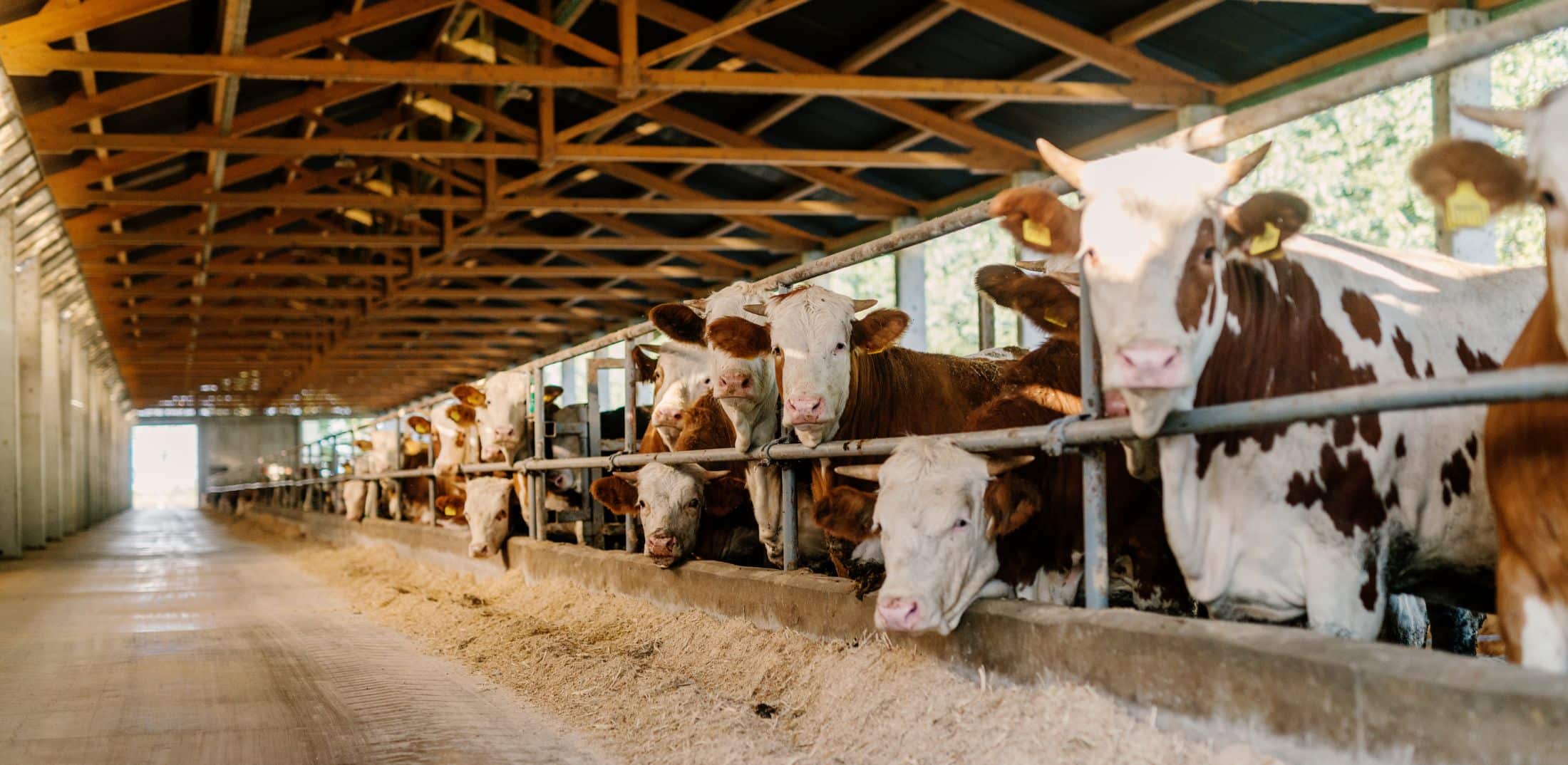
Big meat rivals the top oil companies as a major source of greenhouse gas emissions. The meat industry is responsible for 14-18 percent of global greenhouse gas emissions, including 32 percent of global methane gas emissions. The meat industry is also the leading contributor to deforestation, accounting for nearly 90 percent of global deforestation.
With all the bad press surrounding its impact on the planet, it’s no surprise that meat giants are now on a crusade to convince the public that meat isn’t so bad after all and that it's necessary for global food security. Let’s break down the arguments they love to use.
Does Industrial Agriculture Feed the World?
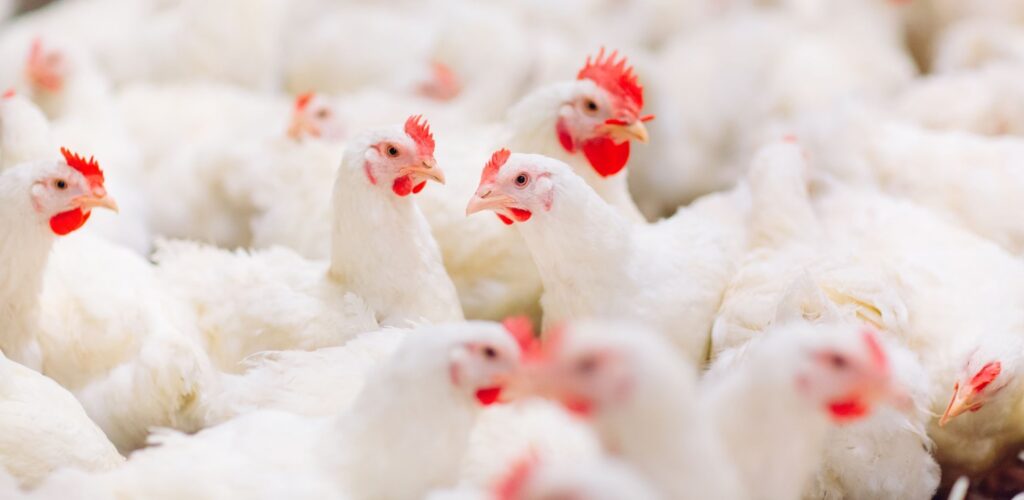
This myth has been around for about as long as Big Ag has. Industry giants love to tell us that “efficient” food is necessary to address worldwide hunger and meet the Sustainable Development Goals on poverty and hunger reduction.
The truth? Our global food system is extremely inefficient. We already produce 1.5 times more food than we actually need. But the way food is produced, harvested, transported, processed, marketed, and consumed still leaves millions hungry.
Research has shown that the expansion of industrial meat production has done little to improve food security in low-income countries. Instead, wealthier countries are filling even more of their plates with meat.
What about all the grain that stretches for miles in America’s rural landscapes? About 64 percent of all corn and 80 percent of all soy crops are used to feed animals, not people. Leading scientists on the EAT-Lancet Commission emphasize that reducing meat production and consumption in high-income countries would free up significant cropland for grains and pulses grown for human consumption. This switch would not only feed more people globally but also reduce the food industry's total emissions.
Can Small-Scale Farmers Feed the World?
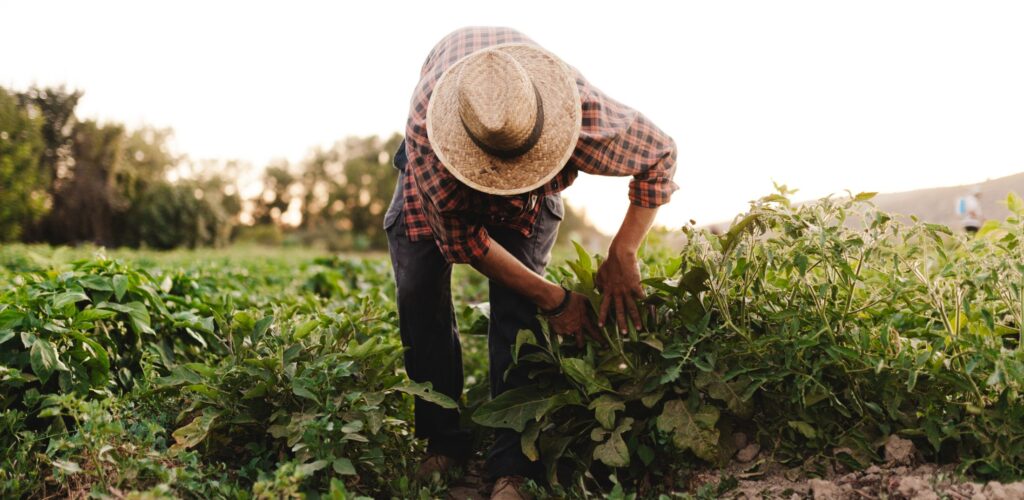
When the claim that industrial farming feeds the world doesn’t hold up, the industry pivots to a familiar rebuttal: that small-scale farming alone can’t possibly produce enough to meet demand.
The truth? Small farms are the key to global food security. The 600 million small-scale farmers around the world who farm on less than two hectares of land are estimated to produce 30-34% of the food supply on just 24% of the gross agricultural area.
“The truth is that no one has food security until everyone has food security, and the secret to achieving the levels of supply and storage required to feed the planet lies in policymaking and interventions on the ground that empower, rather than entangle, smallholder farmers worldwide.”
“Carbon Neutral,” “Zero-Emissions,” and Other Claims
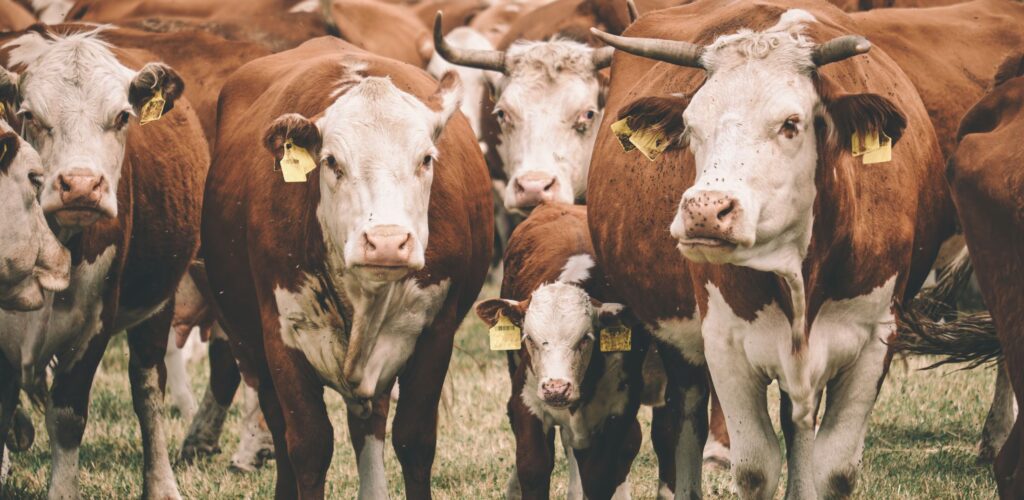
Sustainability buzzwords are the latest version of the old “low-fat” marketing trick. It seems every brand wants to claim some sort of environmental focus. The U.S. dairy industry claims it could achieve climate neutrality by cutting methane emissions by just 1% to 1.5%. Meanwhile, the livestock sector asserts it is "already part of the climate solution." Green claims from animal agriculture are on the rise.
The truth? These claims are almost never substantiated. One study reviewed more than 1,200 sustainability claims by the largest meat and dairy companies and found that 98% contained content suggestive of greenwashing.
In Tyson’s case, a lawsuit alleged insufficient evidence or action to support their environmental claims. and ordered Tyson to cease using them immediately and to refrain from making new claims unless they could substantiate them.
No matter how you view it, industrial animal agriculture cannot be labeled as “sustainable” and has no clear path to achieving carbon neutrality or zero emissions.
When All Else Fails, Deflect
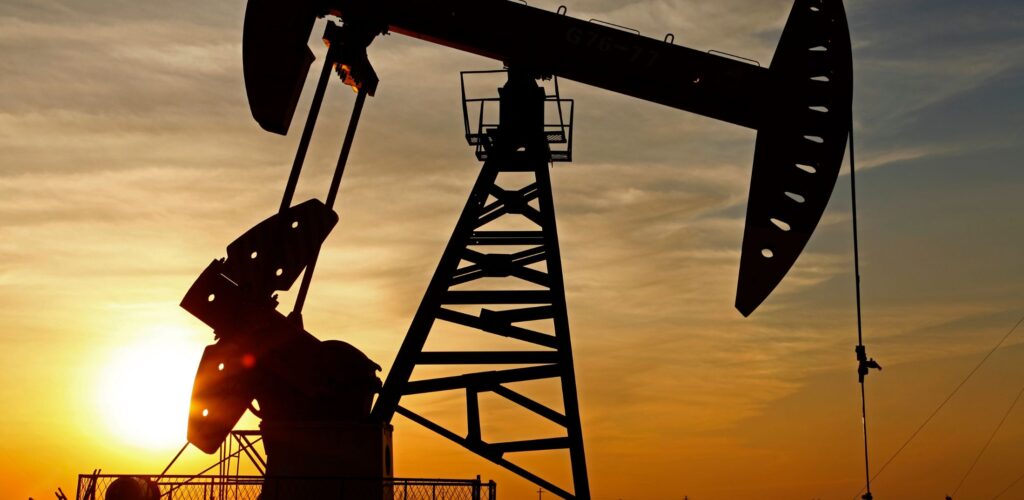
When challenged on industrial agriculture's true climate impacts, ag lobbies have a history of pointing the blame elsewhere. Companies and groups claimthere is a “distorted” focus on agriculture over “obvious sources of emissions,” like fossil fuels. However, facts are facts. Industrial farming is a significant source of greenhouse gas emissions.
“While coal, oil, and gas remain the most significant contributors to climate change, emissions from food systems alone, if left unchecked, have the potential to take the world over 1.5 C.By claiming fossil fuels are the “real culprit,” the industry diverts attention from its own footprint and stalls meaningful reform. Climate experts counter that tackling global warming requires confronting both sectors with equal ambition.”
Changing the System
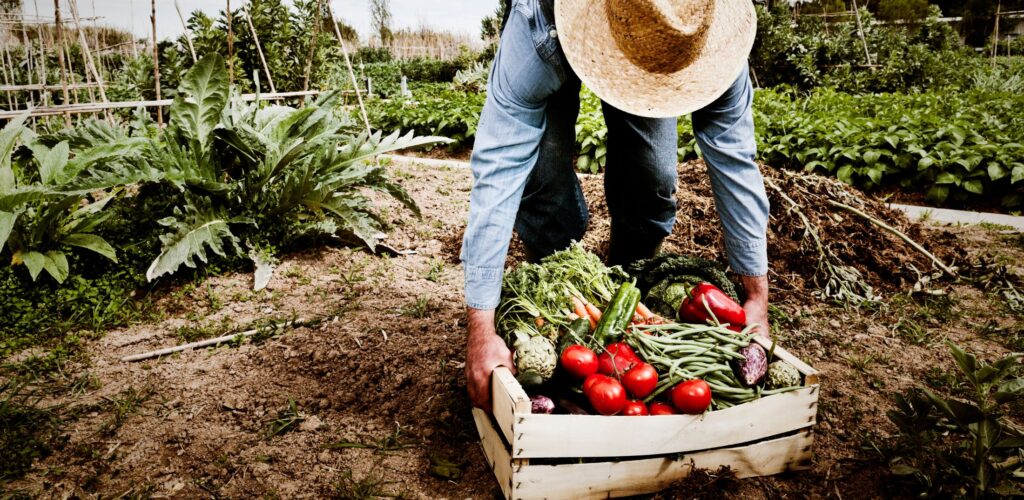
Why go to such great lengths to mislead the public? The answer is one we’ve seen too many times before: corporate greed. Big Ag is run by big giants. Their main priority is to maximize profits for themselves and their shareholders at all costs.
Industrial agriculture employs greenwashing to obscure its environmental harm, thereby slowing the urgency for real change. Breaking this cycle means demanding honest reporting, supporting small-scale farmers, and restructuring policies that reward sustainability rather than scale.
It’s time to stop supporting an industry that profits by harming communities and degrading the planet. The Transfarmation Project® provides farmers with a real alternative to industrial animal agriculture, proving that farm transitions can strengthen communities and protect the environment.