Meet the Neighbors: the New 20,000 Chicken Facility Next Door
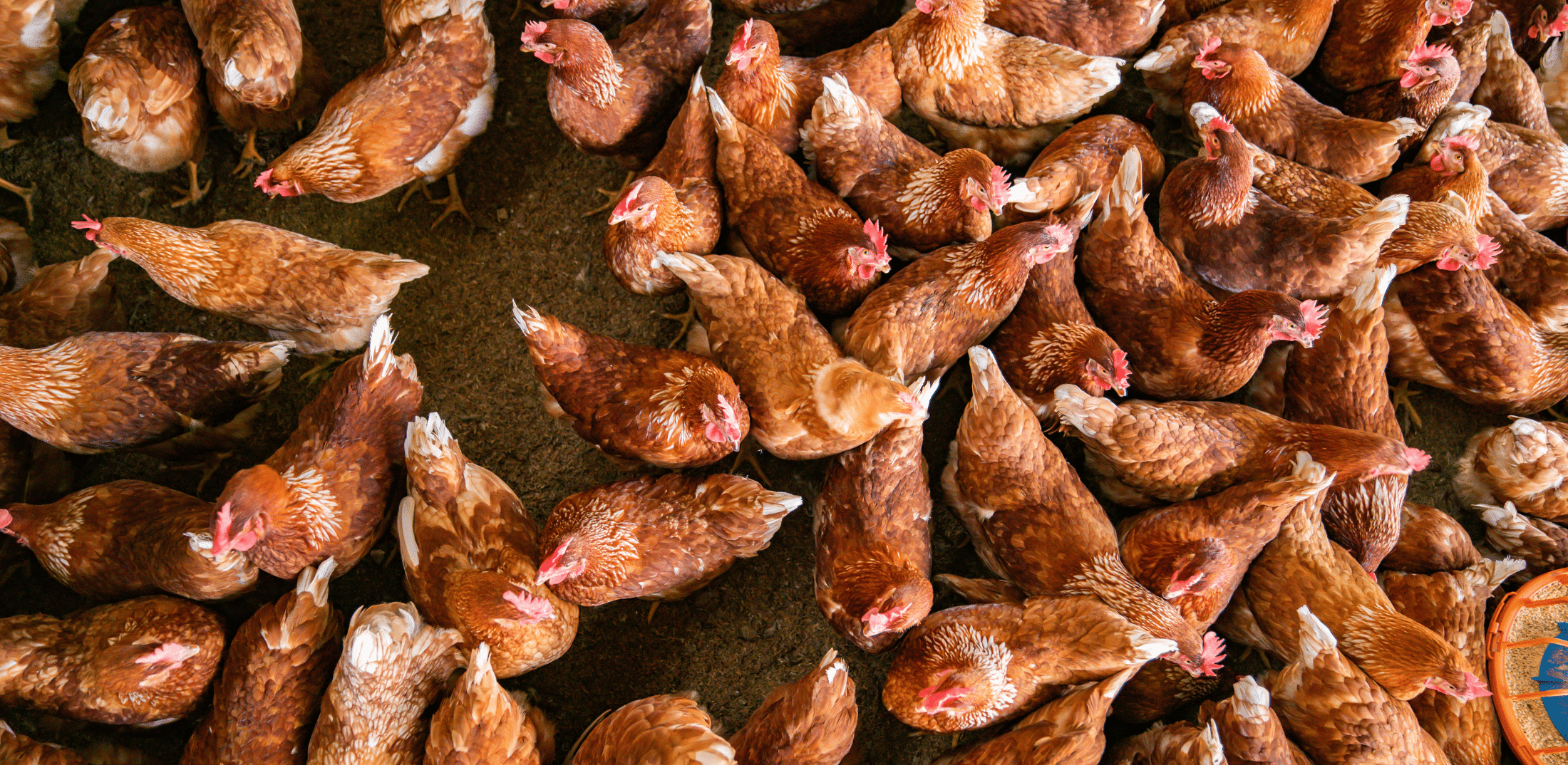
Ohio County, Kentucky, is a rural county about two hours southwest of Louisville. It’s the self-proclaimed “home of bluegrass,” with a rich history and an ideal topography for agriculture. Soon, it will also be home to a 20,000-hen facility producing eggs for humane-egg darling, Vital Farms.
Vital Farms is a well-known high-end egg brand that consumers can purchase at most grocery stores for premium prices. Their marketing paints an idyllic picture of farming. Cartons of eggs feature a stamp that reads “Ethical Eggs,” a big promise to deliver on for modern industrial animal agriculture.
Vital Farms works with nearly 600 farms across the country, but they operate primarily in the “Pasture Belt,” which includes Arkansas, Illinois, Indiana, Kansas, Kentucky, Missouri, Ohio, Oklahoma, and Tennessee. Vital Farms claims they choose these states because they offer favorable weather for livestock. However, some residents feel that large-scale poultry companies often target areas with few or no zoning regulations and limited public oversight.
Concerned Residents Speak Out
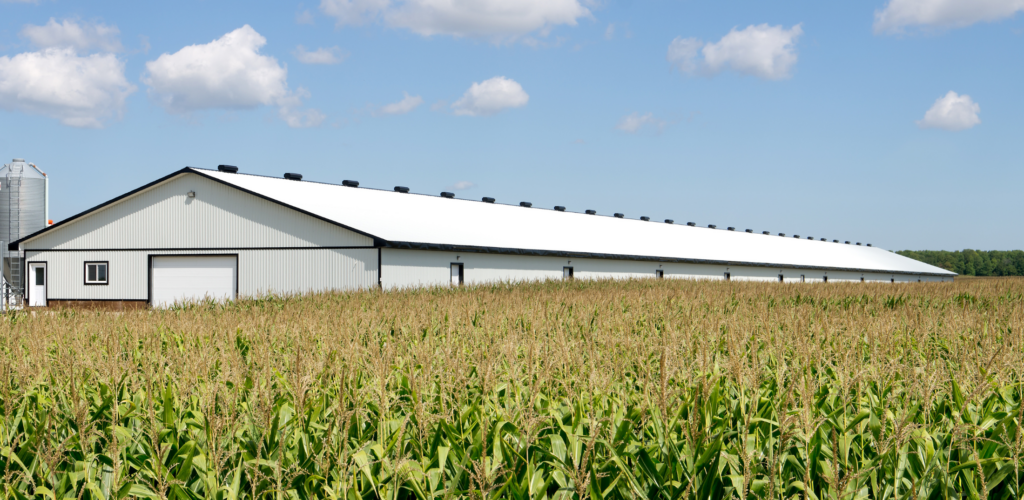
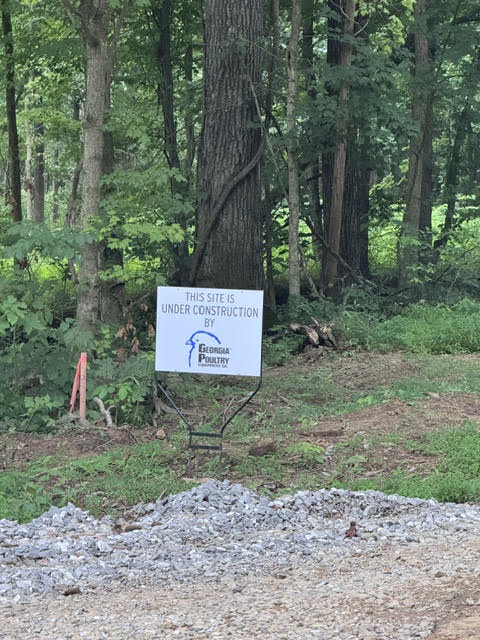
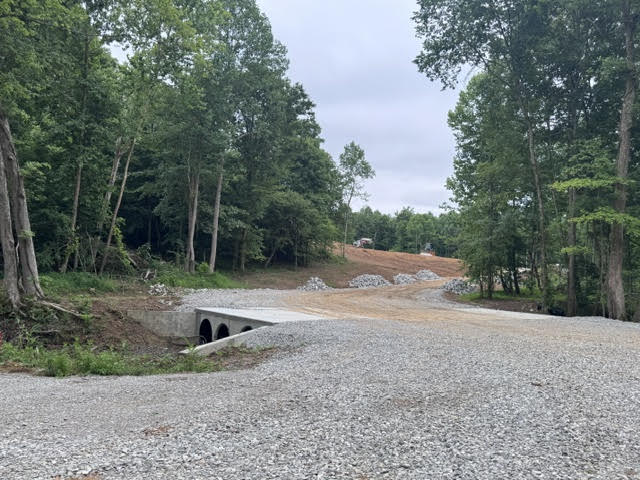
For many in Ohio County, the identity of the newest resident was a mystery until construction had already begun. By the time the project's scope became known, land clearing was already underway. It was then that residents near the Vital Farms site began raising concerns about their new neighbors. Among them are questions about environmental management for such a large-scale operation, the upkeep of county infrastructure, and potential dangers to public health.
“People are simply asking for open communication and reassurance that environmental protections and community concerns are being carefully considered alongside economic development,” said Kim Campbell, who grew up on the same road as the planned 500-foot barn. Her parents have lived there for nearly 50 years. Campbell launched a petition calling for a halt to construction until concerns are properly addressed.
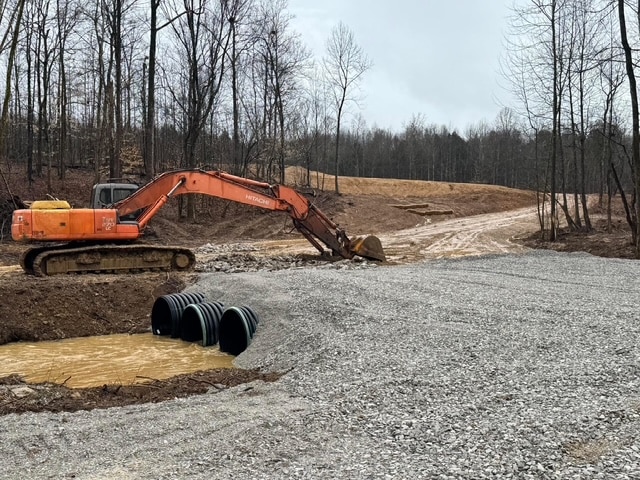
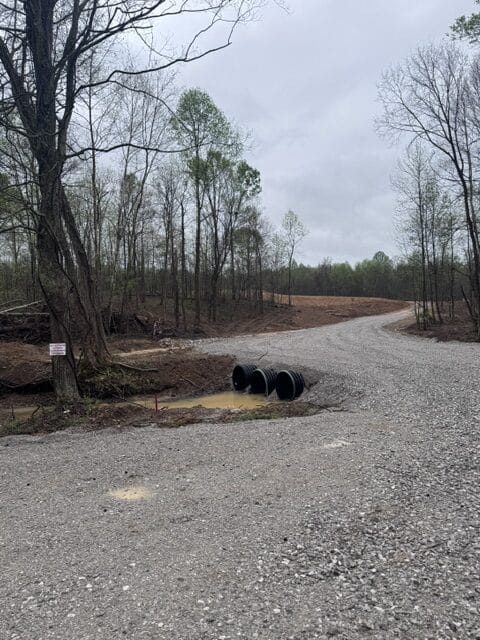
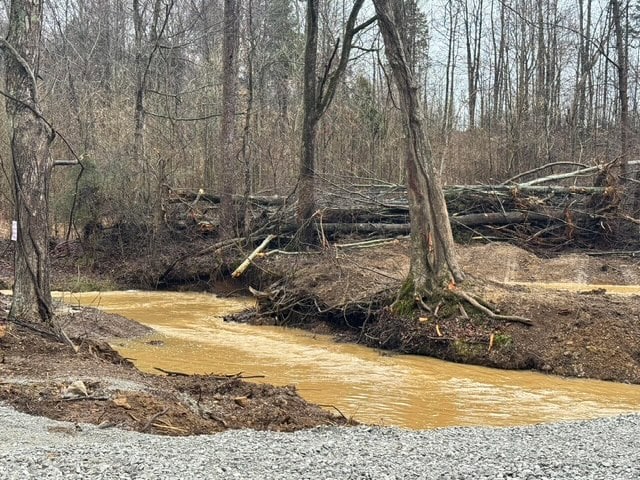
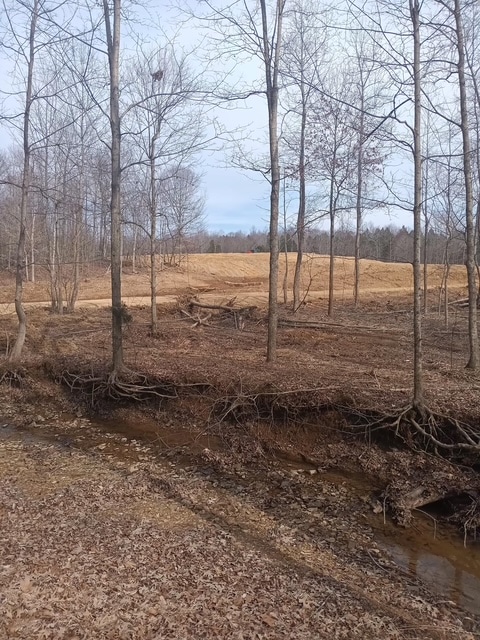
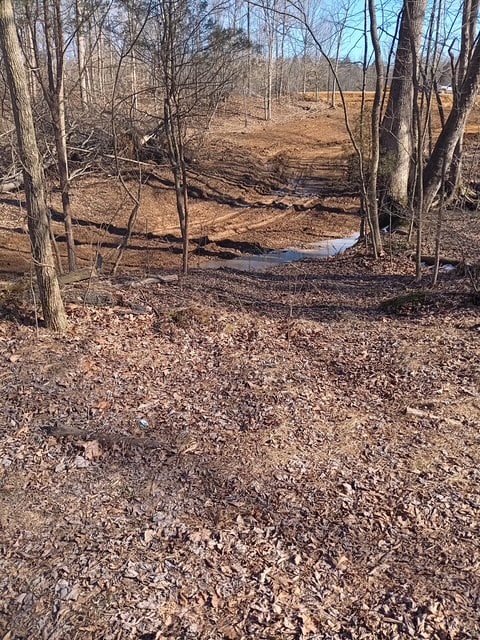
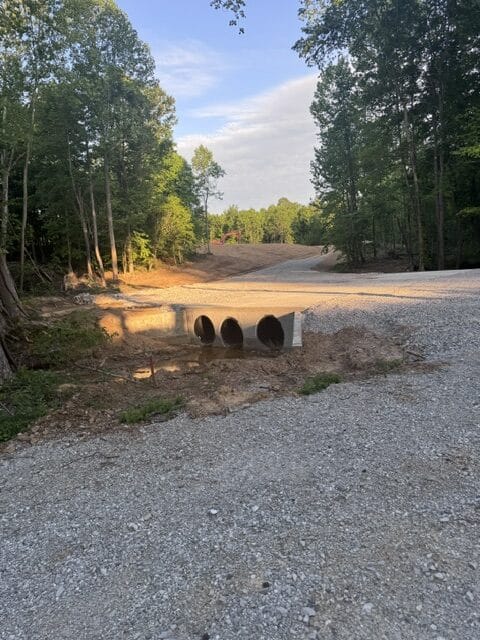
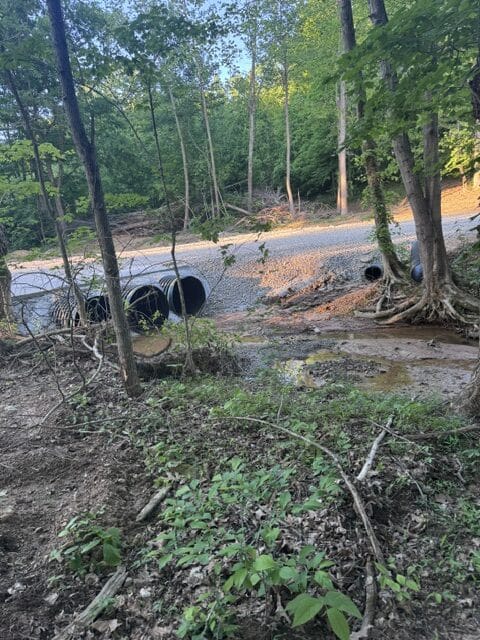
Since construction began, Campbell noted considerable construction-related impacts to the area, including large-scale tree clearing, smoke, and odors from burning brush piles. The landowner cleared wooded areas, exposing soil and altering the natural landscape.
“As a parent, I find myself reflecting on how much the area may change over time. I grew up exploring the woods and creeks, and those experiences are a meaningful part of my childhood memories. Naturally, it makes me think about preserving those same opportunities and environmental resources for my children.”
—Kim Campbell, Ohio County Native and Petition Organizer
Risks to Public Health Raise Questions
The future farm’s proximity to an arsenic-contaminated site has also caused alarm amongst residents and consumers. The property is less than a mile from the contamination site, which is still under ongoing state monitoring. Potential sources for contaminant spread and exposure include surface water, runoff, wildlife, and insects.
Long-term arsenic exposure can cause cancer and chronic arsenic poisoning. It has also been linked to cardiovascular disease and diabetes. Arsenic exposure in utero or in early childhood can also negatively impact cognitive development and can even correlate with premature deaths in young adults.
A 2024 study stated that “Arsenic pollution exerts an irreversible harmful effect on the aquatic and terrestrial ecosystem.” It found that the most significant threat to human health was drinking arsenic-contaminated freshwater and ingesting food grown in arsenic-contaminated soil or with contaminated water. Ohio County residents fear that 20,000 hens grazing in potentially contaminated fields and drinking from an at-risk water supply could pass on these harmful metals via their eggs.
Similarly, a 2022 study of free-range egg-laying hens near lead-contaminated sites found that chicken feather, blood, and bone samples had lead toxicity. The free-range eggs tested revealed lead concentration “significantly greater than those found in commercial eggs.” Though lead is, of course, a different heavy metal from arsenic, the findings from these studies can understandably raise concerns among consumers.
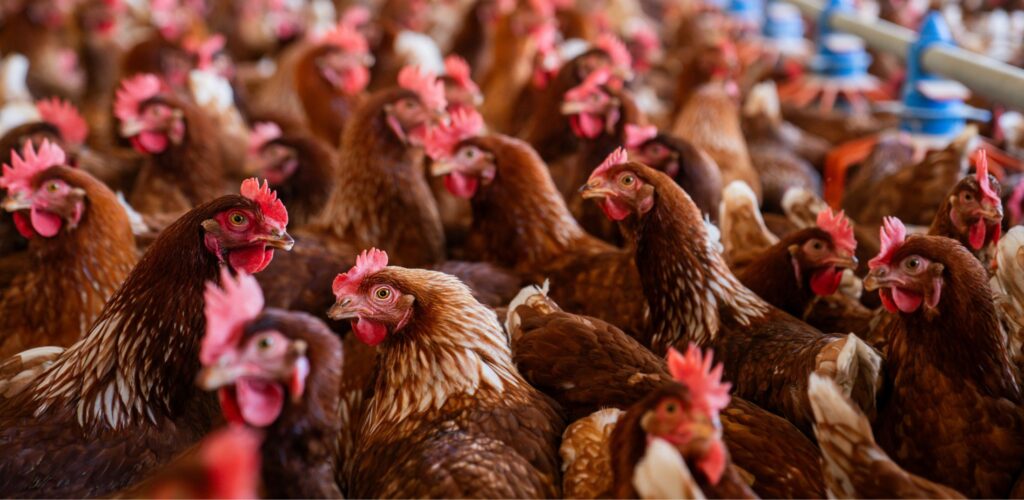
Vital Farms requires its contracted farms to provide their hens with a minimum of 108 square feet of pasture. The implication, of course, is that all hens have access to the outdoors. In this case, exposure to arsenic from the nearby site could become a reality. An anonymous farmer, also under contract with Vital Farms, offered a different view. “According to a neighbor, [that farmer said] there was no concern because the chickens ‘won’t see the light of day.’ That comment stood out to many residents because it seemed inconsistent with the image and values Vital Farms publicly promotes,” Campbell told Transfarmation, referring to the company’s pasture-raised model and bucolic marketing imagery.
As far as public health concerns go, however, the hens at this facility could come into contact with arsenic whether they graze outside or spend the entirety of their lives indoors. According to Campbell, a majority of the questions and concerns raised about this issue have gone unanswered, received seemingly automated replies, or shifted responsibility directly onto the farmer.
What About the Farmers?
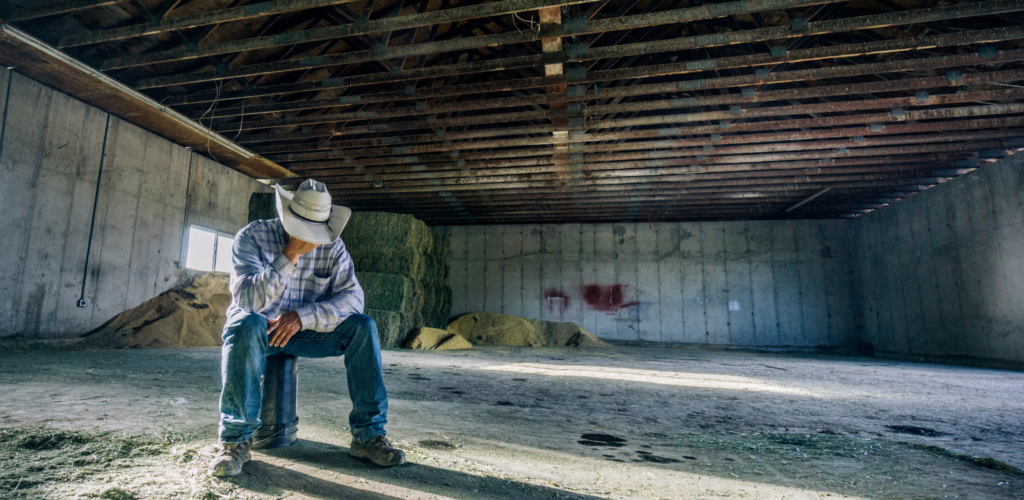
Under the contract-farming model, it is not uncommon for major responsibilities and risks to fall primarily on growers. Among those responsibilities are significant upfront construction costs and the potential for expensive upgrades over time. The result is that many farmers feel trapped by their integrator. This prevents them from walking away, even if the relationship sours.
(For more information on contract farming, see “What Is Contract Farming?”)
Right on Vital Farms’ website, they clearly state, “Building a Vital Farms barn is a considerable financial commitment. Barns can cost as much as $1.2 million.” Growers are required to confirm that this type of investment is feasible before they can even be considered for a contract.
According to the latest U.S. Department of Agriculture census, 64% of poultry and egg producers had a negative net income. Not unrelated, farm production costs were also up 43% from the last Agricultural Census in 2017. These expenses include utilities, barn upkeep and repairs, animal feed, and livestock purchases.
Since the contract farming system offsets all of these costs onto the farmer, corporations like Vital Farms can rake in monumental profits on the coattails of their growers’ labor. In 2025, the company posted a net revenue of $759.4 million for the fiscal year.
This discrepancy has also been a cause for concern. “From what I understand, these contracts can initially appear financially beneficial for growers. However, advocates and others familiar with the industry have explained that growers are often responsible for [facility upkeep and maintaining company standards], which can create long-term financial dependence and debt obligations tied to the contract system,” Campbell said.
“‘Do unto others’ should not stop at the property line.”
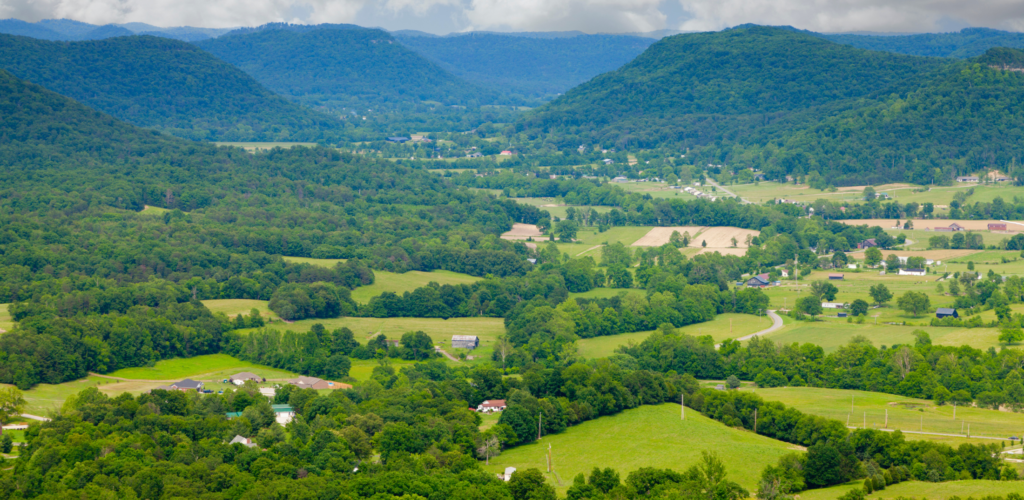
The size and scope of the Vital Farms project have caused Ohio County residents to reflect on what it means to be a good neighbor. Small, rural neighborhoods are often built on the backbone of mutual respect and moral responsibility. Residents in Ohio County, however, feel left out of that after being excluded from decisions that will directly affect their homes, local infrastructure, and quality of life.
“At its core, this is about advocating for transparency, protecting our natural resources, and respecting rural communities. These decisions reshape what ‘home’ means for the people living there, and that deserves thoughtful public conversation rather than residents simply being expected to accept the outcome after the fact.”
—Kim Campbell
Since the petition first circulated, residents have attended meetings, communicated with state and local agencies, contacted Vital Farms directly, submitted open records requests, organized online discussions, and worked to understand the state-level permitting and regulatory process better. This level of civic organization and empowerment, a strong indicator of significant opposition to the farm’s construction, deserves recognition from Ohio County officials.
“This was never about opposing farming. The bigger conversation is about balancing agriculture with environmental stewardship, infrastructure concerns, and the long-term impact on rural communities,” Campbell added.
All Yolks Aside

Vital Farms has come under intense scrutiny in recent months. A study by Nourish Food Club and Michigan State University went viral in January, suggesting that Vital Farms eggs had linoleic acid levels similar to those in canola oil. The conclusion drawn was that the hens are fed conventional livestock feed containing corn and soy. Additionally, it was revealed that Vital Farms infuses the feed with marigold or paprika to alter egg yolk color. The infusions make yolks appear rich and golden, a signal some consumers took to mean the eggs were a premium product.
Though Vital Farms is very forthcoming about this information on their website, many customers still felt duped by these revelations. Consumers flocked to social media to express feelings ranging from disappointment to outrage. The backlash even led some to call for a boycott of Vital Farms products over potential greenwashing and humanewashing.
(To learn more about greenwashing, see “Big Ag’s Big Lies”)
Additional concerns came to light when some influencers highlighted Vital Farms’ connections to BlackRock and Vanguard, the company's major shareholders and two of the largest investment companies in the world. Influencers alleged that ties to these profit-driven companies lowered quality to maximize profits and shareholder value.
On Being A Good Egg
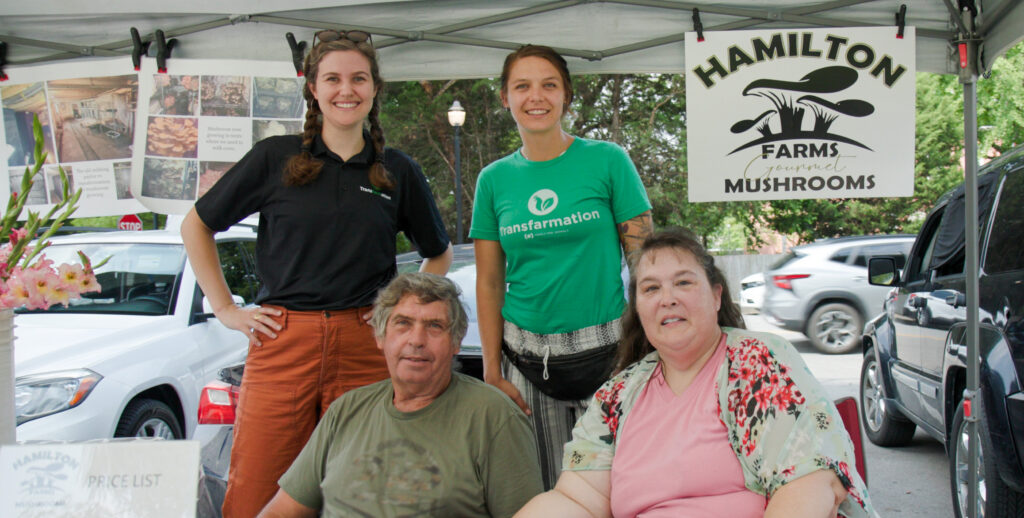
A core belief at The Transfarmation Project® is that factory farming will always prioritize corporate bottom lines above everything else. This includes farmer relations, product quality, consumer health, and animal welfare. With 20,000 hens in a barn, farms that contract for Vital Farms qualify as confined animal feeding operations, or CAFOs, a common term for a factory farm.
The situation in Ohio County is an important reminder that the realities of industrial-scale production often conflict with an idealized view of farming. The need for transparency amongst residents, consumers, and farmers remains at an all-time high, yet major corporations repeatedly sideline it in favor of their profit margins.
True ethical farming requires more than clever marketing and certifications. To Transfarmation, ethical farming delivers accountability, environmental stewardship, and a commitment to the communities where farms reside. As residents of Ohio County continue to fight for answers to their questions, their persistence highlights a growing movement questioning the status quo of our industrialized food system.
We’re building a food system that prioritizes people, communities, animals, and the planet. By transitioning factory farms and changing the narrative on industrial agriculture, Transfarmation’s movement is growing—and we don’t need to break any eggs to get there.
Note: All photos are stock images of typical farms, except for the Transfarmation team photo.
Kim Campbell, Ohio County native, provided the images for the photo gallery below: