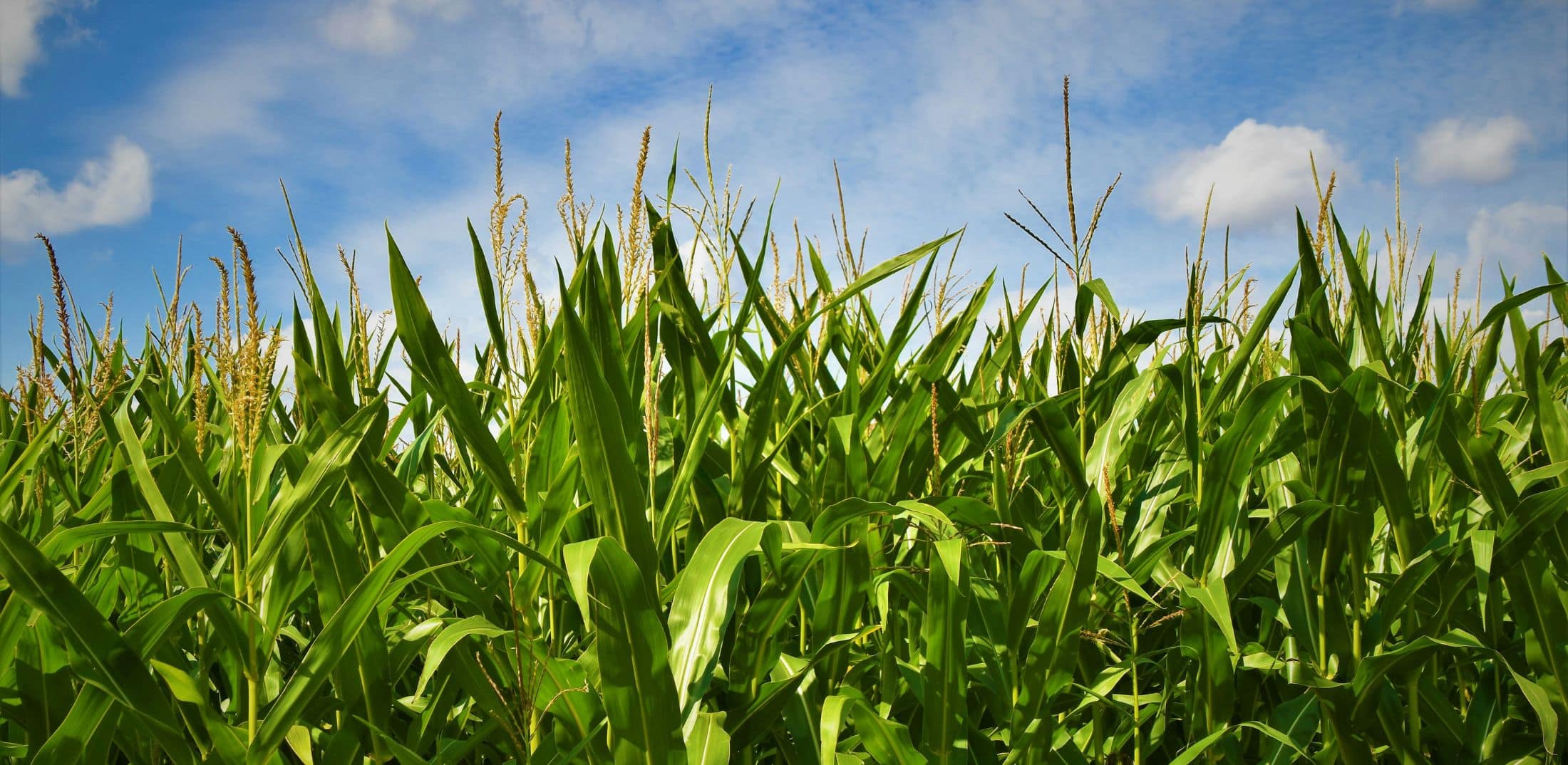
The Problem with Monocultures
If you have driven through the countryside lately, in pretty much any state, you’ve likely noticed fields of single crops that stretch for miles in every direction. From the wheat fields in North Dakota to the cotton fields in Alabama, monocrop fields are everywhere. While they were first grown to boost efficiency and production, these one-crop expanses have problems lurking beneath them.
What Is a Monoculture?
Monoculture production is when farms grow a single crop on the same plot of land, year after year. Typical monocultures include wheat, corn, rice, sugar cane, and cotton. Monocultures are widely used in industrial farming, in both conventional and organic production, because they allow for increased efficiency in planting and harvesting. Farmers often buy into this system, thinking that specializing in only one crop will maximize their profit and reduce workload. However efficient, monocultures come at a significant cost.
Impacts of Monocultures
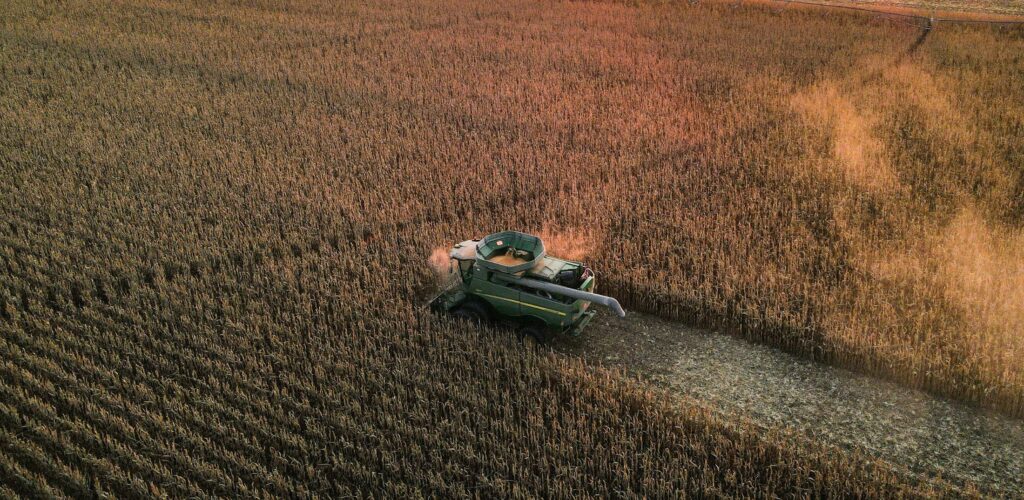
First and foremost, monocultures do not exist in nature. A natural ecosystem consists of a variety of plant species growing under and around each other. This inclusive system enables diverse wildlife populations to prosper while supporting crucial ecological functions, such as pollination and bioremediation. Monocultures are an exclusive system built for a single crop, the opposite of nature. This lack of diversity keeps crops and soil from flourishing. A wide array of flora and fauna is essential to provide nutrients while ensuring that a single species of insect does not harm too many crops.
The corn blight of 1970 is an example of the consequences of monoculture farming at work. The blight wiped out 15% of North American corn crops. Its impact was widespread because 70% of the corn crop was the same high-yield variety, making the corn defenseless against pathogenic substances.
Imitating a natural ecological system and protecting monocrops requires fertilizers, insecticides, and bactericides. All of these come with considerable consequences. Nitrate-rich fertilizers leach into groundwater and can lead to nutrient pollution in nearby waterways. It can cause massive algae growth, which consumes oxygen as it decomposes, suffocating other aquatic life. Synthetic fertilizers also release nitrous oxide, a greenhouse gas 300 times more potent than carbon dioxide. Nitrate also finds its way into human drinking water and causes serious health effects, such as blue baby syndrome, one of the most concerning.
Monocultures are also destructive to soil health. Not only do fertilizers and pesticides deplete nutrients; reusing the same soil for a single crop increases rain runoff and plant diseases and pathogens. This vicious cycle leads to soil degradation, rendering the soil inhospitable for agriculture.
Soil moisture becomes unstable as the nutrients are depleted, significantly increasing the need for large amounts of water for irrigation, further depleting and polluting waterways and harming aquatic life.
Why Are Monoculture Fields So Abundant?
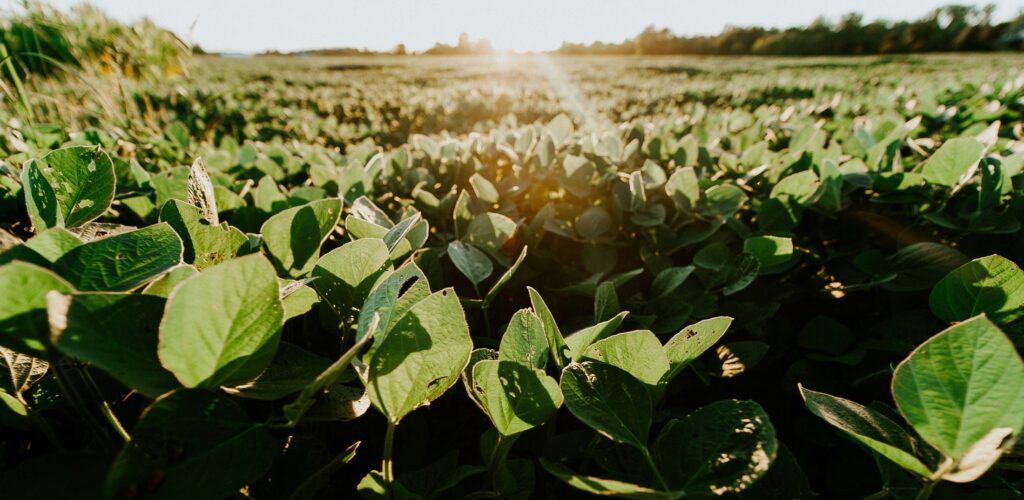
As mentioned, many farmers adopt the monocrop system because they view it as a way to maximize profits and decrease workload. A major reason for this is government subsidies on commodity crops, including wheat, corn, soybeans, and rice. In 2024, the U.S. government paid $9.3 billion in subsidies to farmers growing commodity crops.
Crop subsidies originally began to support farmers during the Great Depression and the Dust Bowl in the 1930s. This evolved into “direct payments” to farmers based on historical records of production on their land rather than their actual production in a given year. These payments were supposed to be a temporary measure to taper farmers’ reliance on subsidies and lessen the government’s involvement in farming. However, the connection between government and agriculture only strengthened when crop prices continued to drop and more money was given out year after year.
In 2014, the new farm bill was approved, and this direct payment structure evolved into “crop insurance.” These insurance plans largely guarantee farmers can sell their crops at certain prices and that they will be paid, rain, shine, or drought. The government pays out $5 billion a year in insurance premiums.
At first this doesn’t sound all bad. Of course, we want the people who feed us to have financial security in the face of uncertainty, especially when it comes to weather. But the hidden side of this is that because the money is guaranteed, large corporations are scooping up commodity-crop fields left and right.
Since 1995, 75% of the subsidies have gone to just 10% of the farms. These payments have funded the explosive growth of the industrialized food system, which has even more impact on our land and water than monocrops alone. While these commodity crops are taking over our diets, from corn-fed burgers to beverages containing high-fructose corn syrup, only half of crop land is used for growing food directly for humans. A significant portion is used to feed livestock.
Farmers are losing their land, and the land is being depleted. Corn, soybeans, and wheat are fed to humans and animals at unprecedented rates—all so that megacorporations can continue to maximize their profits.
A Better Way Forward
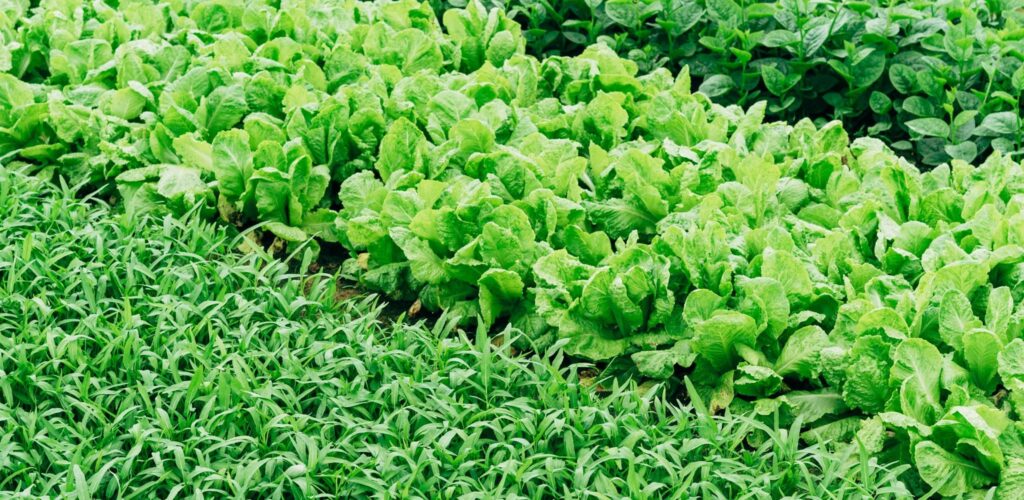
So how do we fight the system that has been forced on us? We build a better system for farmers, communities, and the planet. A food system controlled by just a few large corporations is fragile and unsustainable. A food system led by independent farmers, growing diverse and sustainable crops, is a better system for all.
We can support this future food system by buying from our local farmers when possible and encouraging our nation’s leaders to subsidize food that actually feeds people and local economies instead of corporate giants.
At The Transfarmation Project, we are proud to invest in farmers. We established our farm-transition program to help build a more sustainable food system, support farmers, and foster a resilient future.
“Alone we can do so little; together we can do so much.” —Helen Keller