
How Big Ag Helped Shape Nutrition Beliefs
Generations of eaters have learned that meat is essential to a healthy diet. From messages about “eating your protein” to marketing campaigns linking meat with strength, vitality, and good health, these ideas have been deeply embedded in our culture. But just how much of it is true? Is meat truly a necessity for every healthy diet? And how did we come to accept this deeply held belief as the truth?
Let’s examine the legacy of meat consumption and some of the data behind major nutritional studies to find our answers.
The Industrial Agriculture Boom
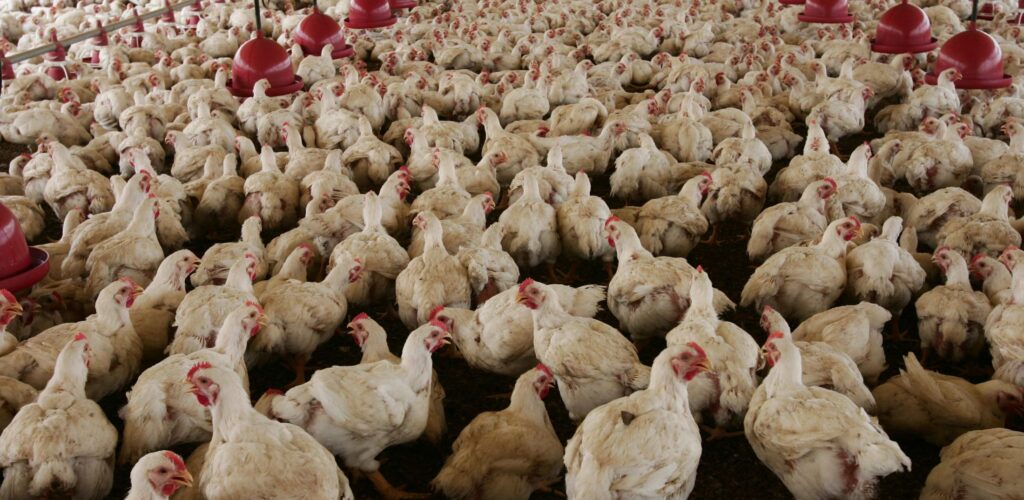
The way we produce and consume meat today is a relatively recent phenomenon. Until the 1970s, meat was usually reserved for special occasions or a smaller part of weekly meals. Throughout the 20th century, incomes rose, and refrigeration improved. As a result, Americans ate more meat. This increased demand opened the door for the rapid expansion of industrial animal agriculture.
Factory farming accelerated due to new technologies, government policies that benefited big businesses, and corporate consolidation. Federal farm policies encouraged the overproduction of inexpensive corn and soybeans, making animal feed cheaper than ever before. Combined with advances in genetics, mechanization, and confined animal housing, these changes allowed companies to raise more animals than ever before while offsetting production costs onto farmers, communities, and consumers. The rapid expansion of factory farming transformed meat into a seemingly low-cost, everyday commodity.
As meat became cheaper and more abundant, it also became a fixture at nearly every meal. Industrial agriculture didn't simply respond to consumer demand; it helped create it.
The History of Meat’s Status
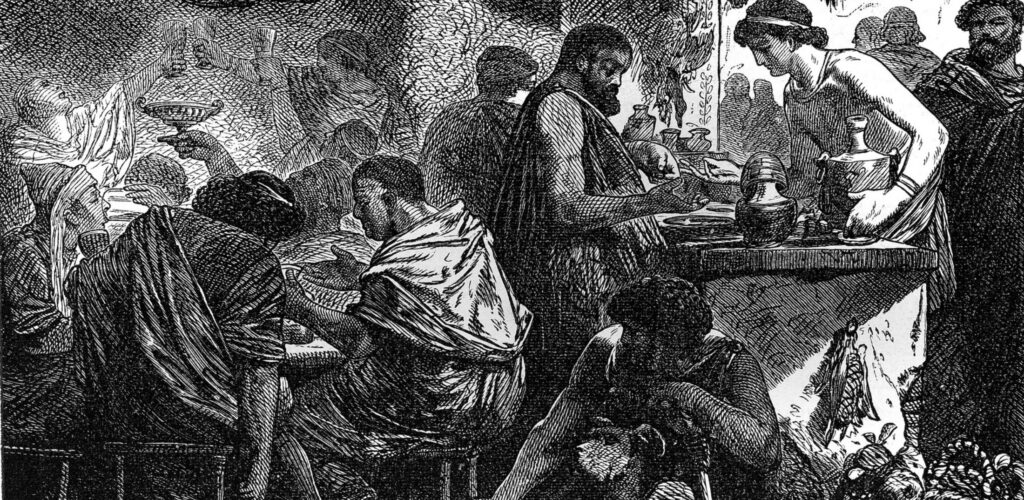
The idea that meat is synonymous with health didn't happen by accident either. This notion was built over centuries. Starting around 1500 BCE, as urban centers grew, owning livestock and eating meat became important symbols of prosperity. This belief carried into the Roman Empire, modern Europe, and the 19th century. Because of its association with prosperity and abundance, meat consumption became a symbol of strength, success, and good health. As incomes continued to rise and meat became more widely available, eating it regularly became a marker of social status and an aspiration for many.
Nutrition science emerged in the late 19th and early 20th centuries. Researchers identified early on that protein was an essential nutrient for growth, tissue repair, and overall health. Because meat is a concentrated source of complete protein, early nutrition education often highlighted animal protein as the “gold standard.” These messages contributed significantly to the perception that meat was the “best,” or even the only, source of protein, often overshadowing other sources that can provide the same amount of protein.
Over time, these messages became deeply woven into everyday culture. Schools, government dietary advice, advertising campaigns, and family traditions reinforced the idea that a healthy meal centered around meat. Generations grew up believing that strength, athletic performance, and even vitality depended on eating animal products. Although modern nutrition research recognizes that healthy dietary patterns can include a wide variety of protein sources, the longstanding connection between meat and health continues to shape public attitudes and food choices today.
The Meat Industry’s Marketing Efforts

The meat industry has played a major role in reinforcing these beliefs through decades of marketing and public outreach. Industry groups have consistently promoted meat as an essential part of a healthy diet, emphasizing its nutrient-rich profile, including protein, iron, zinc, and vitamin B12. Product labels highlighting phrases like "good source of protein," "100% quality," and "no preservatives" have further strengthened meat's healthy image.
The messaging has gone far beyond television commercials. Educational materials, family-focused campaigns, and marketing aimed at children have helped normalize meat as the centerpiece of nearly every meal from an early age. Advertisements have also tapped into cultural values by linking meat with strength, masculinity, family traditions, and even environmental stewardship to appeal to different audiences. Combined with lobbying efforts and partnerships that influence public messaging, these campaigns have helped cement the idea that meat is essential for good health.
Industry-Funded Studies

Nutrition research plays a vital role in understanding how food affects our health, but not all studies are funded in the same way. Independent research is usually supported by universities, government agencies, or nonprofit organizations to advance scientific knowledge. However, some nutrition studies receive funding from industry groups or private organizations that have a financial interest in the results. While funding alone doesn’t invalidate a study, it can often introduce conflicts of interest, potentially muddying the results.
A recent meta-analysis of 500 studies published between 2014 and 2023 found that studies with meat industry involvement were significantly more likely to report favorable conclusions about meat consumption than independently funded studies. Of the independently funded studies, 61% concluded that eating some meat is associated with adverse health outcomes. By contrast, only one of the industry-funded studies linked negative health outcomes to eating meat, and a whopping 75% of the studies funded by the meat industry reported “favorable nutritional outcomes” associated with eating meat. In total, industry-affiliated studies were 16 times more likely than the rest to report favorable health impacts of meat.
Nutritional health findings typically generate significant interest among consumers. When new nutrition research emerges, it's common for it to end up in the media, where the public takes the results at face value. Few look deeper to see the hard data or who funded the study. The meat industry counts on us to just catch the headline and run with it. The sensationalism is just one more tactic to keep consumers buying their products in droves.
What the Science Says About Plant-Heavy Diets

Over the past several decades, research on plant-forward diets, such as the Mediterranean, vegetarian, or vegan diets, has debunked the consensus that a healthy diet must include meat. In fact, many major health organizations have determined that a fully plant-based diet can provide all the nutrients needed for good health.
Recent research has expanded our understanding of plant-based eating patterns, and many major health organizations now agree that well-planned plant-based diets can provide all the nutrients needed for good health for all stages of life, including pregnancy, infancy, childhood, adulthood, and older age.
As research on plant-forward diets has grown, findings indicate that such a diet, rich in vegetables, fruits, legumes, whole grains, nuts, and seeds, is associated with a range of positive health outcomes. Studies have linked this lifestyle with improved heart health, healthier blood pressure and cholesterol levels, better blood sugar management, and lower risk of several chronic diseases.
Plant-based diets are also widely recognized as being better for the environment. Producing plant crops requires fewer natural resources and generates lower greenhouse gas emissions than producing animal-based foods.
Why the "You Need Meat" Myth Persists

If decades of nutrition research have shown that plant-based diets can support good health, why do so many people still believe that meat is a necessity? The short answer is that the message is so ingrained in our culture that it's hard to escape it. These deeply rooted beliefs are difficult to change, especially while Big Ag groups spend big bucks to keep this messaging at the forefront.
The meat industry has only grown more powerful and influential over time. With significant financial interests at stake, marketing meat remains a primary goal. Big Meat has big pockets. To start rewriting the notion that meat is essential, we must reduce corporate control in our food system.