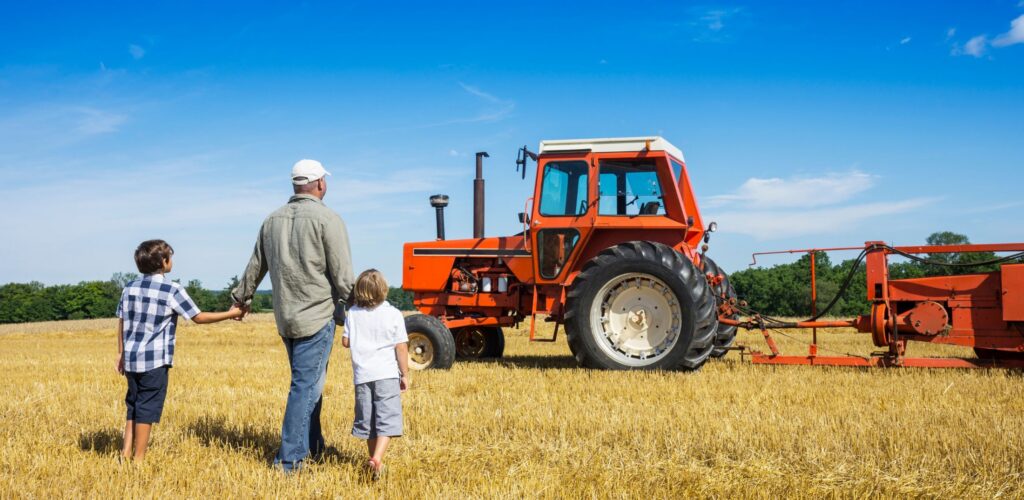
In 2025, 15,000 farms shut down, and farm bankruptcies surged by 46%. Since 2018, the country has lost roughly 8% of its farms. And yet, total food production keeps climbing.
At first glance, it doesn’t make sense. There are fewer farms, but more food. The explanation lies in a powerful, decades-old suggestion: “get big or get out.”
This push was used in American agriculture to describe the pressure on farmers to expand their operations, adopt expensive new technology, and increase production in order to stay profitable, while smaller farms that could not compete were often forced out of business.
While the agriculture industry continues to scale, it is leaving small farms in the dust. To fully understand the loss of small farms, we have to look at the forces preventing them from thriving.
Highlights from this article:
When people hear the term “family farm,” they often picture a small operation with a red barn, a few acres, and land passed down through generations. While many U.S. farms still look like this, the true definition is more complex.
According to the United States Department of Agriculture, a “family farm” is defined by ownership structure, not size. Any farm organized as a sole proprietorship, partnership, or family corporation qualifies. In other words, a modest operation earning a few thousand dollars a year and a multi-million-dollar industrial farm can both be considered family farms. In fact, about 98% of farms in the United States fall into this category.
Therefore, it’s more helpful to group farms by income size. Small farms earn under $350,000. Mid-sized farms make between $350,000 and $1 million. Large farms bring in $1 million or more. A very large farm has revenues exceeding $5 million.
By this distinction, 86% of farms in the country are considered small. All 15,000 farms that closed in 2025 were small- or mid-sized. The only category to grow last year was farms operating at $1 million or more.
In the late 1900s, U.S. policymakers were eager to flood the global market with American produce, creating a global economy in which U.S. farmers “fed the world.” Then-Secretary of Agriculture Earl Butz famously told farmers to “get big or get out,” rewriting farm support programs that encouraged farmers to specialize in just one or two crops rather than maintaining diversified farms.
What started as a way to increase yield and efficiency quickly started hurting farmers. If farms didn’t scale up, they were left out of the conversation. The system favored large operations, and small farms often lost buyers. As these small farms closed their doors, growing farms in the area grabbed their land, further scaling their operations. In 1940, the average farm size was 174 acres. In 2025, it was 469 acres.
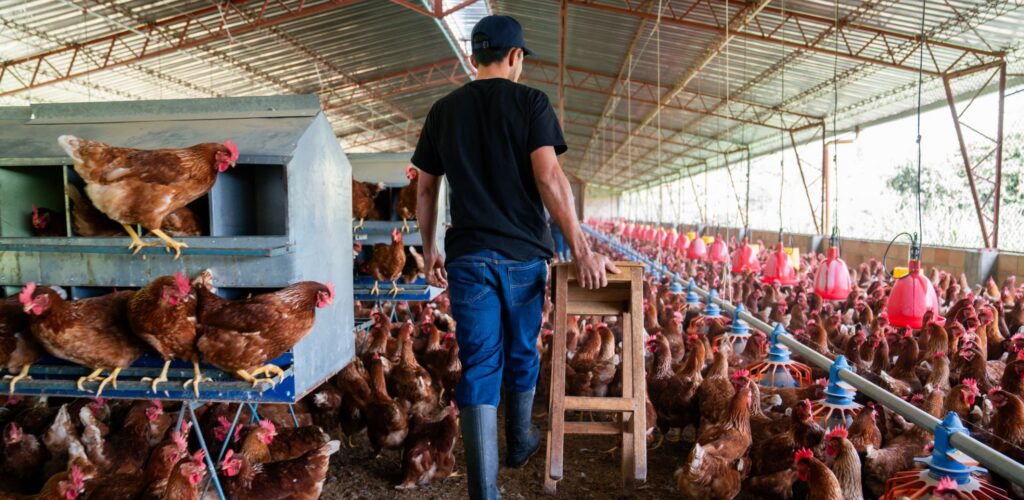
The same thing happened in livestock farming. Concentrated animal feeding operations (CAFOs) were first introduced in the 1980s as a way for farmers to earn steady money from contracts. Integrators, the meat industry’s middlemen, promised farmers guaranteed buyers, technical and veterinary support, and more to raise animals that the farmers didn’t technically own.
Farmers took out large loans to finance their operational buildouts, leading to more farms transitioning from diversified operations to single-animal factory farms. But again, the reality was skewed. If factory farms failed to scale up, they lost their contracts. This left them with mountains of debt and no way to sell their products.
This scale-up mindset decimated local food systems and supply chains. Today, many small farmers lack the local markets they once relied on to sell their products.
Although small farms make up 86% of all farms, they generate just 17% of total farm sales. Very large farms, which account for 0.5% of all farms, account for 20% of sales.
The US government created the Federal Crop Insurance Program to help protect farmers against financial losses from uncontrollable growing conditions and market fluctuations. It was meant to help all farms recoup losses.
Today, crop insurance is mainly geared towards commodity crops like corn and soybeans. This reality preserves high incomes for large farms with large monocrop acreage and excludes small, diversified farms. Other subsidy payments, including disaster relief and conservation payments, also go disproportionately to the largest farms in the country. Over 75% of farms with sales over $350,000 received some sort of payment, while only 31% of small farms did.
While factory farms don’t benefit directly, crop subsidies allow them to buy animal feed for incredibly low prices. They also benefit greatly from other government programs. CAFOs often receive free pollutant-mitigation technologies, such as manure digesters, which actually further entrench industrial agriculture’s power.
The government argues that large farms receive more funds because allocating them there creates the greatest impact. However, this just highlights another way large farms continue to benefit from government support, while smaller farms are often left out.
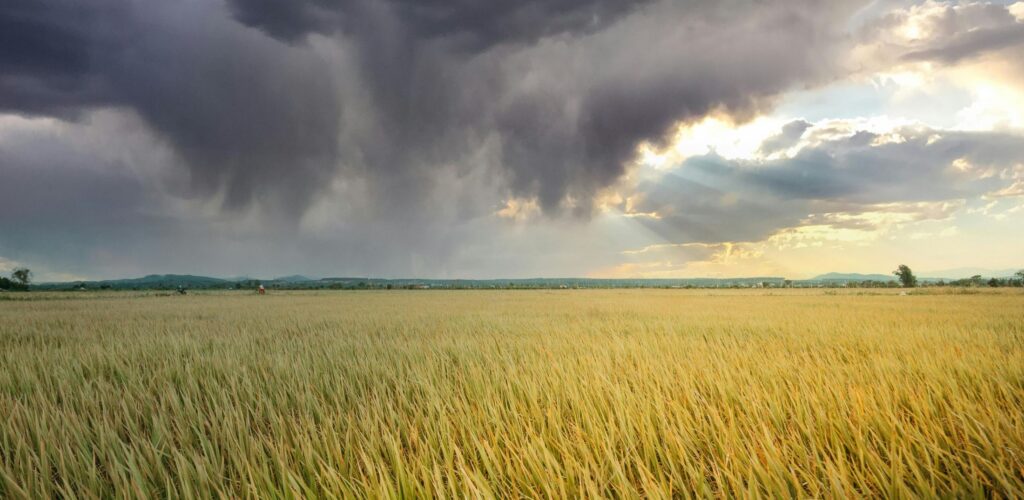
Most food production relies on good weather, but climate change is making that weather less reliable. Temperatures are rising at an accelerating rate, and growing seasons around the world are shifting. There are more intense rainfall periods, often followed by flooding, and longer dry spells, leading to prolonged droughts. Natural disasters are becoming more frequent and severe.
Despite their best efforts, some farmers are finding that their crops barely grow or fail altogether under these intense, unfamiliar conditions. If crops aren’t wiped out completely, yield losses can be as much as 30%, severely impacting a farm's income.
Climate change is accelerating, largely due to rising greenhouse gas emissions, and one of the biggest, often overlooked contributors is factory farming. Industrial livestock operations produce large amounts of methane from animal digestion and manure, along with nitrous oxide from fertilized feed crops, both of which are far more potent than carbon dioxide. The system also drives deforestation in places like the Amazon rainforest to grow animal feed, releasing stored carbon and reducing the planet’s ability to absorb future emissions.
Taken together, factory farming plays a major role in intensifying climate change at nearly every stage of production. It’s creating an unprecedented doom loop for farmers. While the USDA does distribute disaster relief funds to farmers, lawmakers argue that the agency allocates them in ways that disadvantage small farmers and do not align with legislation that has been passed.
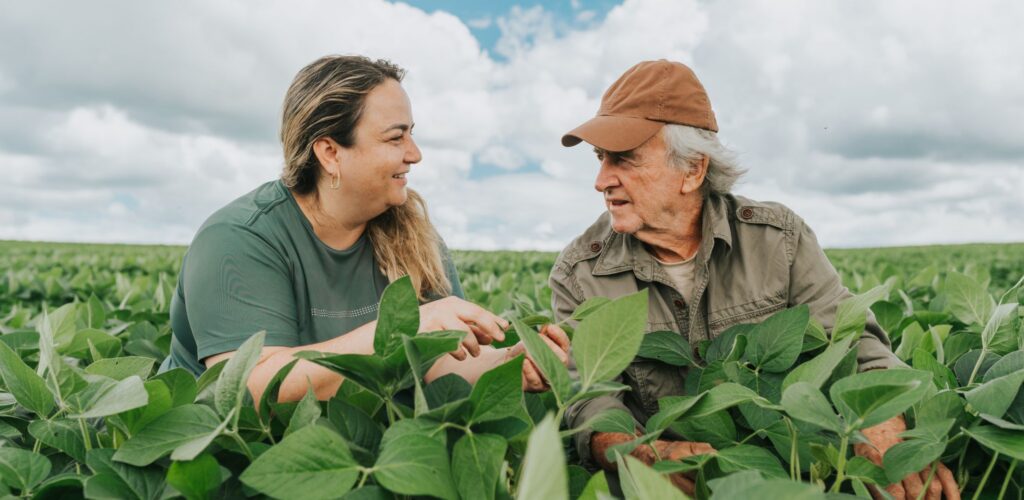
It’s not uncommon to hear of 3rd-, 4th-, or even 5th-generation farms here in the United States. Farmland and the pride of being a farmer are often passed on. However, that is happening less and less.
The average farmer is 57 years old, and 40% of U.S. farmers are over 65. There is a misconception that younger generations no longer want to carry on the family business, but the reality is that farming is simply too expensive.
“The biggest barrier to entry for next-generation farmers isn’t knowledge or training or work ethic; it’s the historically high price of farmland. Young people need an agricultural economy that makes it easier for them to farm. They need viable, consistent markets for high-quality local products. And, most importantly, they need affordable land. We need to make agriculture more welcoming to the next generation.”
—Brooks Lamb, New York Times
And with an estimated 300 million acres likely changing hands over the next two decades, it's more important than ever to help younger farmers take up the reins and keep the land out of the hands of industrial farms and developers.
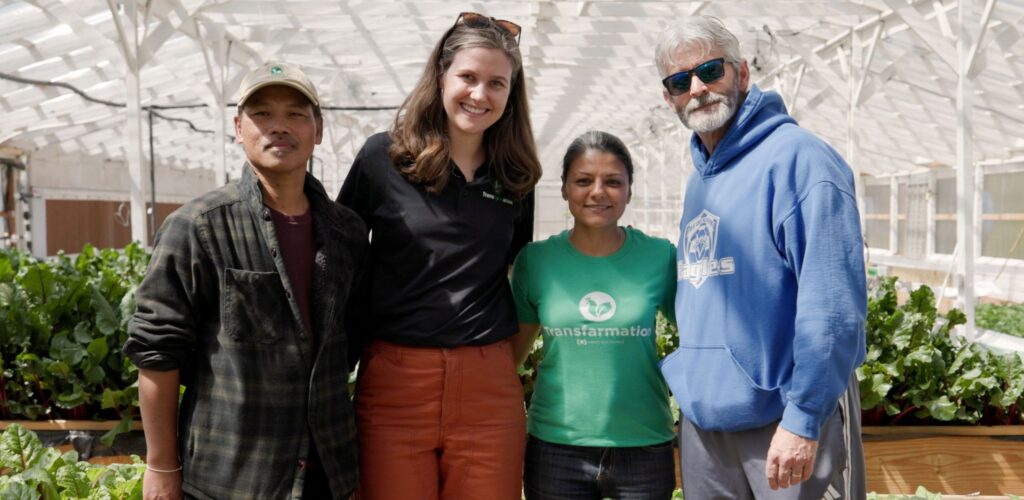
Not all hope is lost. Farmers and consumers are turning their attention to building local and regional markets. Today, many small-scale farmers are selling their products close to home via farm stands, farmers markets, and Community Supported Agriculture (CSA) programs. In 2020, direct-to-consumer farm sales reached $10.7 billion, a 35% increase from 2019.
To show how powerful local spending could be, farm and food system analyst Ken Meter analyzed consumer spending in Southeast Minnesota. He found that if consumers shifted just 15% of their food dollars to regional farms, they could generate $45 million in new farm income, which would, in turn, contribute $88.5 million to the region’s overall economy. This isn’t unique to Southeast Minnesota; every region has the power to shift the control back into farmers' hands.
Shopping locally helps, but it unfortunately isn’t enough on its own. Small farms are still competing in a system dominated by large agribusinesses. Lasting change will require rebalancing that system, reducing the outsized influence of industrial agriculture and strengthening the position of small farms and rural communities.
Policies that expand market access, improve financial support, and protect independent producers will be critical to keeping small farms viable. Without meaningful structural change, the farms that sustain local communities and regional food systems will continue to disappear.
At The Transfarmation Project®, we are proud to be partnering with farmers to build a better system for all.