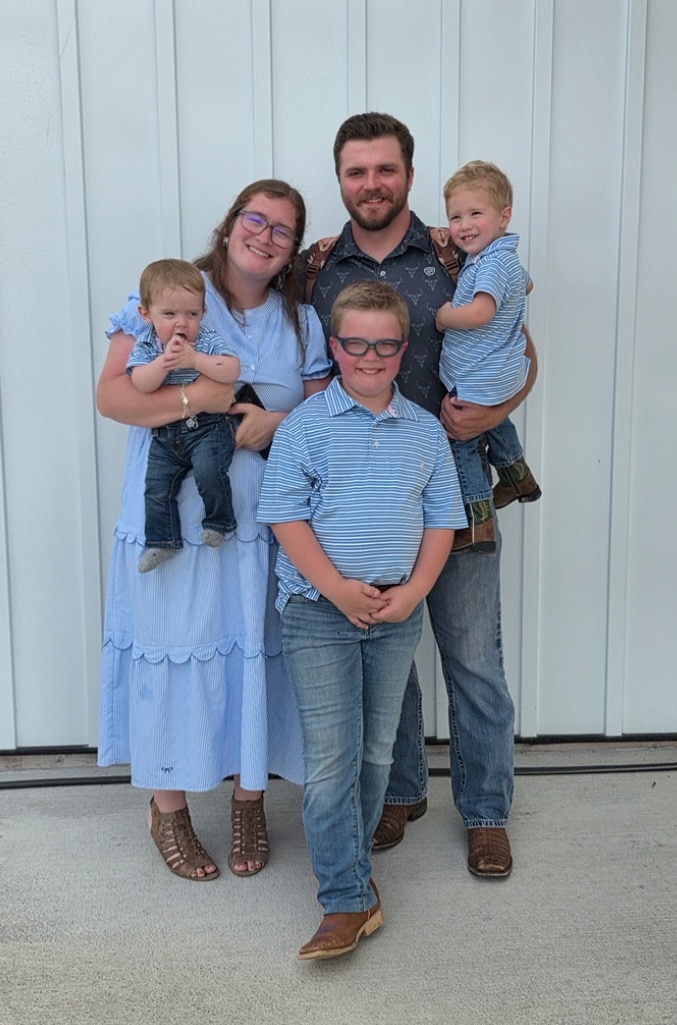
The Standiford family will sustain their farm for generations to come by replacing hog farming with growing fresh produce.

Caroline Standiford is a third-generation farmer who is making the innovative decision to step away from commercial hog farming to pursue something different. After 25 years in the industry, one of her family’s four hog barns is now operating as a greenhouse under her co-ownership. “I have high hopes for our business, and would eventually love to expand into the other barns once we can sustainably fund multiple barns through our gained customer base.” —Caroline Standiford
As contract farmers, the integrators repeatedly asked Caroline’s family to upgrade their barns to meet new requirements. They realized it would be more sustainable and less stressful to invest in a different type of farm business than to continue raising hogs under contract.
This isn’t the first time the Standiford family has adapted their farm. They previously transitioned from cattle to hogs, seeking a financially stable long-term industry. After determining that commercial hog farming was not viable in the long term for them, they began exploring other options.

8/14/2024
Began Work with Transfarmation

1/31/2025
Started Barn Conversion

5/1/2025
Awarded R&I Grant for Hydroponic Leafy Greens

6/1/2026
Harvested and Sold First Leafy Greens Crop
1,850
Animals Once Raised in This
Barn per Year
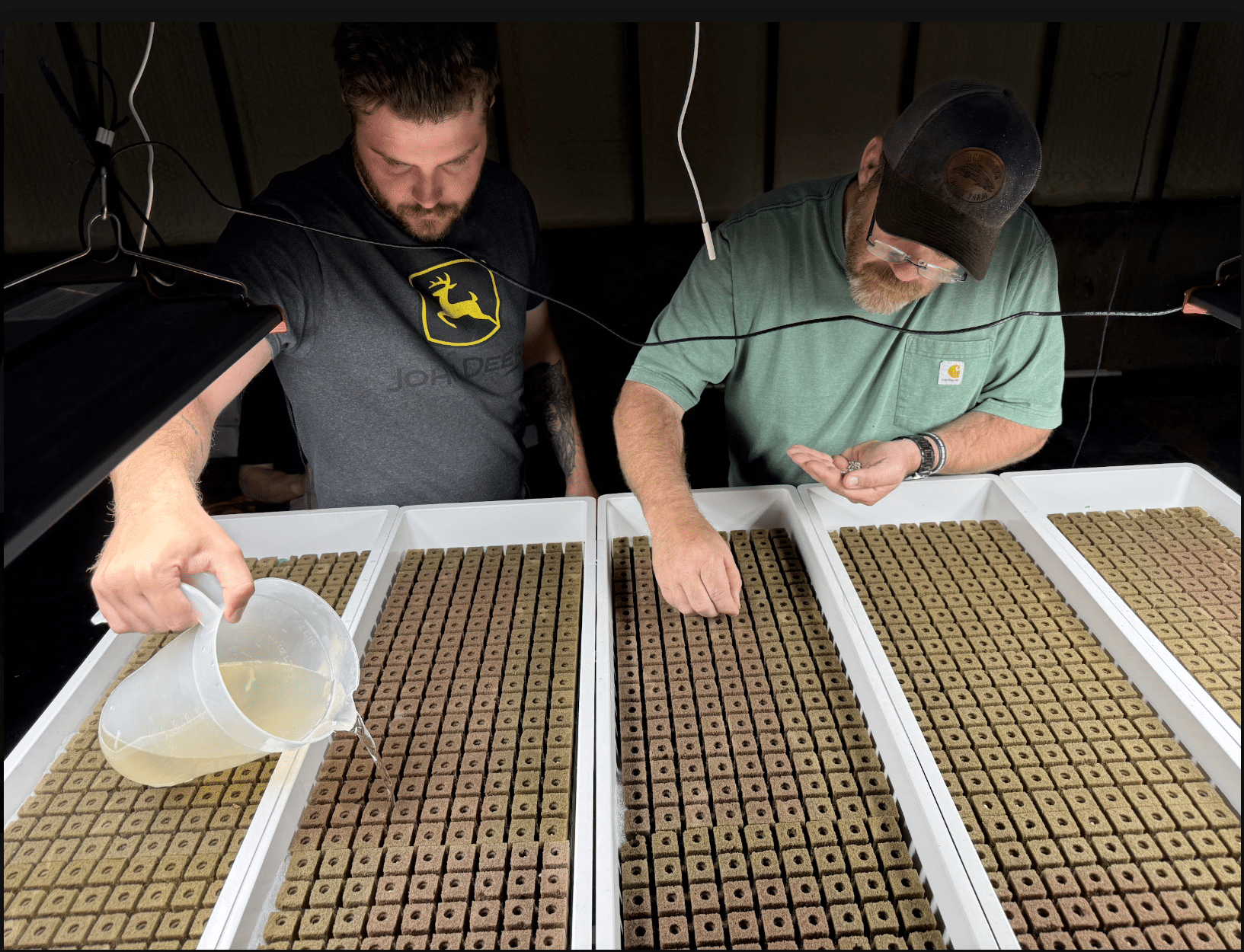
Caroline’s father, Tim, started by creating their own specialty seeding business, planting native prairie grasses and cover crops across the state. Having found success in this new farm business, Caroline was ready to begin converting one of their hog barns into greenhouses.
“I’m proud we took the risk to explore a completely different way of farming. A lot of farmers, including my father, have looked into doing something new but are scared to go into the unknown.” —Caroline Standiford
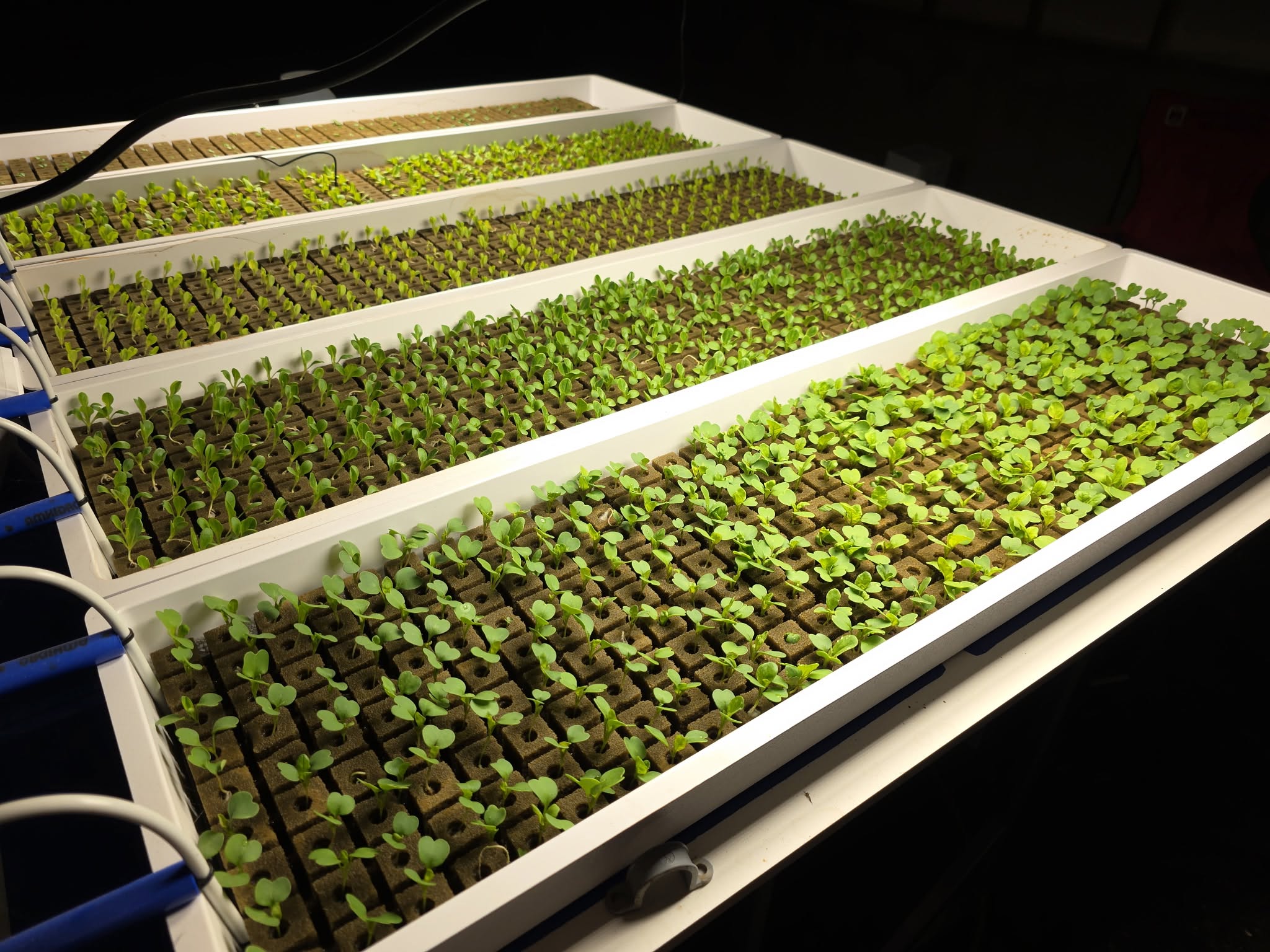
Caroline researched and explored ideas for two years before coming across another Iowa farm exploring a similar question: “What else can we do with our hog barns that would sustain our farm for generations?”
Through her husband’s HVAC work connections, they learned about another Transfarmation farming family: the Faaborg family’s transition from a hog farm to a specialty mushroom operation, known as 1100 Farm. It was through this local connection that the Standifords found Transfarmation.
Caroline’s vision for their farm is to grow produce year-round that sustains their community and provides education about the importance of food-focused agriculture. She reached out to Transfarmation in the fall of 2024 for assistance and support, applying for the Bo Halley Research and Innovation grant to fund her pilot project. The Standifords received a 2025 grant to fund their Four Barn Farms pilot project, which helped get their farm transition started, focusing on hydroponically grown produce in one of the hog barns. Four Barn Farms is on Facebook, Instagram, and TikTok. “We’re excited to start a new chapter and business. We don’t know all of the plant people and plant farmers, and are excited to reach out to them.” —Caroline Standiford
Caroline and her family have embraced an iterative transition to ensure their path stays viable.
“Starting small is okay. Change is going to take a lot more time than you think, but just because you start small doesn’t mean you stay small.”
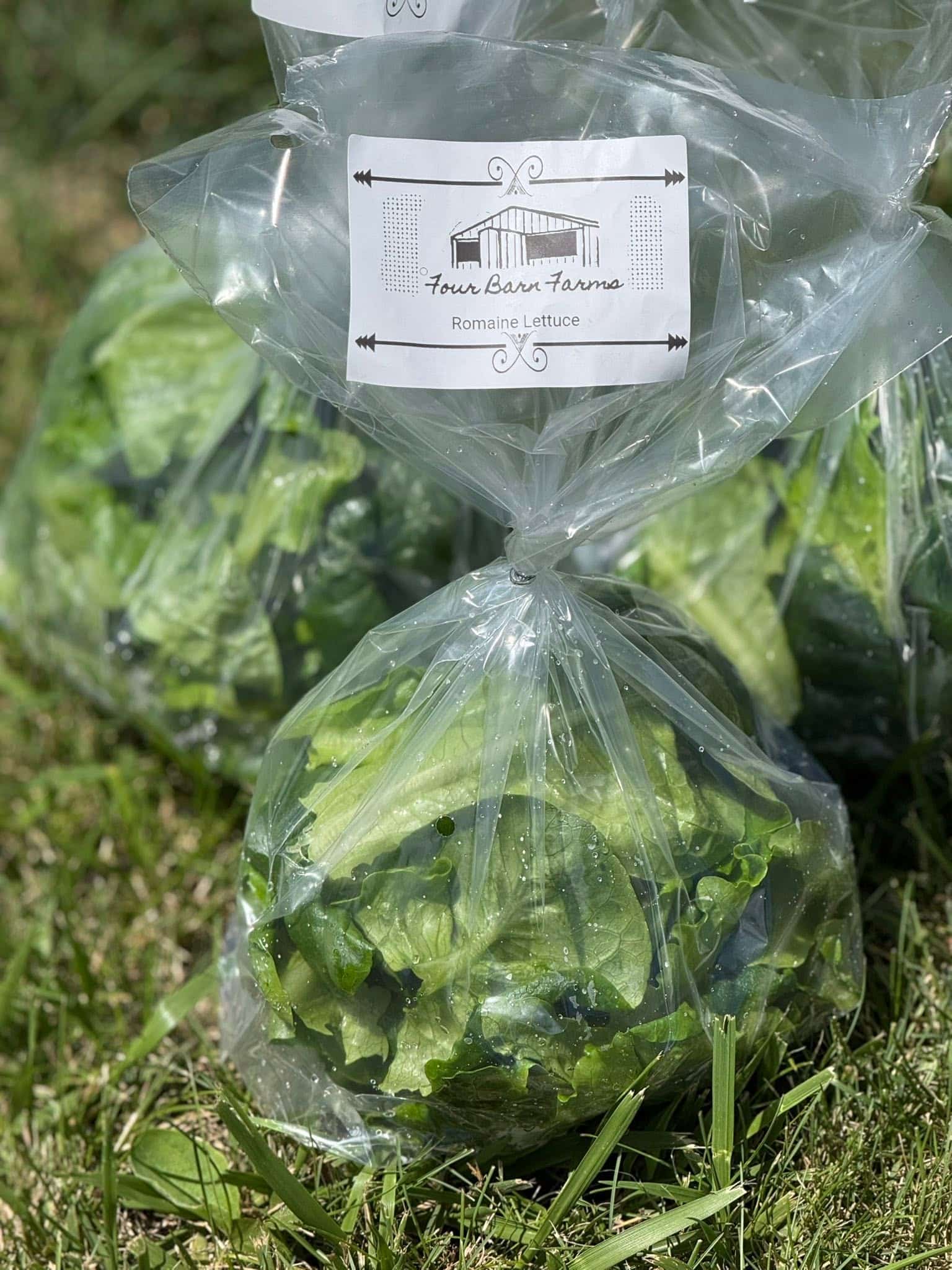
Looking ahead, Caroline has a clear idea of the direction she hopes to take their farm. She’d love to see them expand into the full capacity of both of their hog barns and beyond, ultimately adding high tunnels. Their family is excited to produce a variety of food, from leafy greens, herbs, fruits, and vegetables, and eventually to value-added products. Not only does Caroline want their farm to feed her community, but she also hopes to create space for them to gather and learn about the importance of sustainable, food-focused agriculture.
“Transitioning is such a new experience and new process, but with Transfarmation, we’ve been able to do the research to figure out and find solutions to challenges along the way.” —Caroline Standiford
Transfarmation™ Farmers

Halley Farm
The Halley Family Went from Raising Chickens for Slaughter to Growing Hemp and Rescuing Homeless Animals

Craig Watts
Craig Watts Is Repurposing His Former Poultry Farm

Tom Lim
Tom and Sokchea Lim Are Building Their Dream Vegetable and Mushroom Farm

Faaborg Family
How the Faaborg Family Is Changing the Future of Farming in Iowa

Paula & Dale Boles
Paula and Dale Boles Transitioned Their Poultry Farm to Greenhouses for Microgreens, Hemp, Flowers, and Specialty Vegetables

Barker Family Farm
Finding What Fits: The Barker Family’s Transition from a Dairy to a Vegetable Farm

Hamilton Farm
The Hamiltons Transformed Their Multigenerational Dairy Operation into a Mushroom Farm
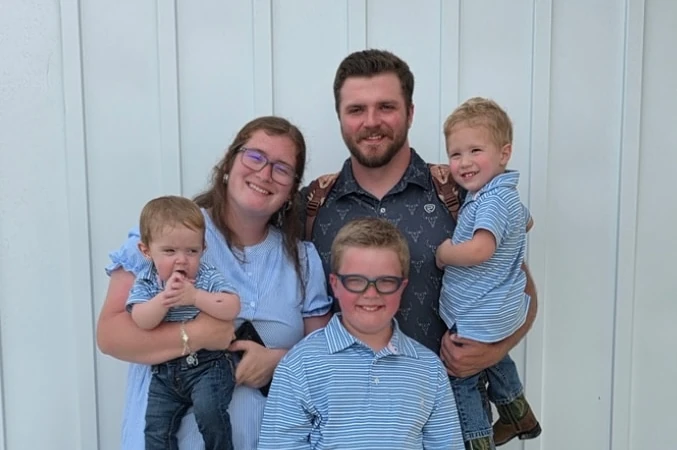
Caroline Standiford
The Standiford family will sustain their farm for generations to come by replacing hog farming with growing fresh produce.


