
What is Food Apartheid?
Many have heard of a “food desert.” Fewer are familiar with the concept of “food apartheid.” Both of these terms carry a heavy meaning, but there is a significant reason that many Black, Indigenous, and people of color (BIPOC) prefer “food apartheid” over “food desert.”
So what’s the difference? For one, a desert is a naturally occurring landscape. It has its place in the delicate ecosystem and houses lifeforms of all shapes and sizes. On the other hand, a food desert is defined simply as “an area with limited access to affordable, nutritious food.” A food desert is an unnatural occurrence. More importantly, it’s manmade. The term “food apartheid” is more representative of the inequalities that created these regions.
Language is powerful. The word “desert” can bring to mind a sense of inferiority, desolation, and an overall lack of vibrancy. It is a poor reflection of the people who actually live in these neighborhoods. Residents are diverse, full of life, culture, and community.
“Number one, people will tell you that they do have food. Number two, people in the ‘hood have never used that term...When we’re talking about these places, there is so much life and vibrancy and potential. Using that word runs the risk of preventing us from seeing all of those things.”
—Karen Washington, Co-Founder of Black Urban Growers, to Guernica Magazine
Apartheid is a system of institutional racial segregation and discrimination. Calling these areas “food apartheids” acknowledges that they are also the result of racist and discriminatory policies.
Why Does Food Apartheid Happen?
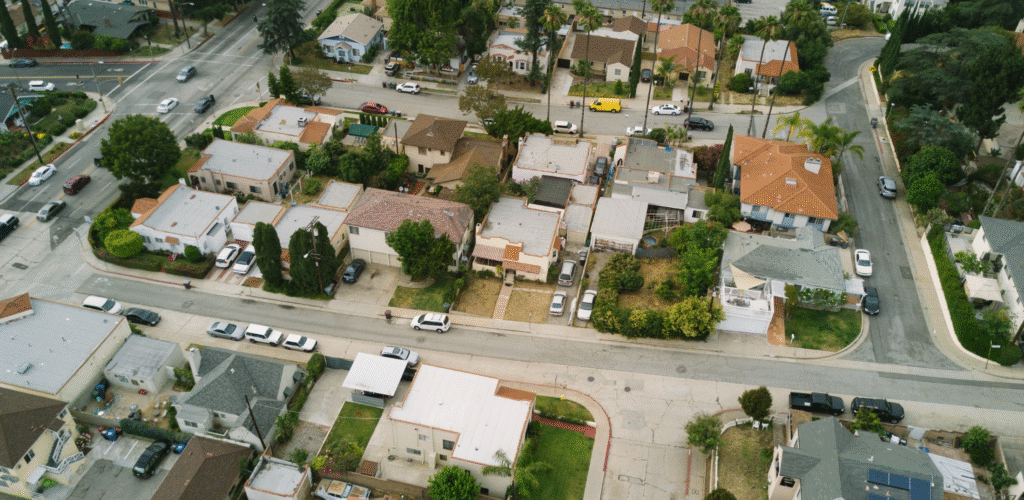
The root of food apartheid is inequality. Decades of racial discrimination, economic imbalances, and disenfranchisement solidified the long existence of food insecurity in BIPOC and low-income neighborhoods.
Significant historical injustices include redlining, or the denial of financial services based on race or ethnicity; gentrification; deliberate targeting by fast-food corporations; and zoning codes based on discrimination.
Because the problem is multifaceted and rooted in discrimination, food apartheid is not a problem that new grocery stores can solve. Research from Johns Hopkins University finds that communities impacted by food apartheid do, in fact, often have access to food. However, healthy and nutritious food is too expensive. The food residents can afford is typically fast food or junk food. In fact, the concentration of these cheap, unhealthy options leads some health professionals to also refer to these areas as “food swamps.”
How do we address it?
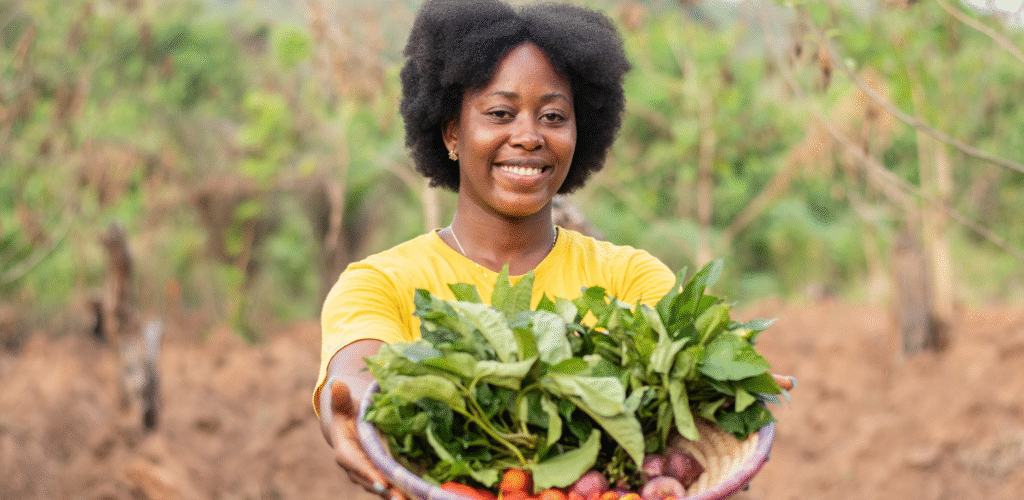
Addressing food apartheid requires breaking down unjust systemic barriers, supporting local programs, and creating fair food policies. It is our fundamental belief that access to nutritious, affordable, and culturally appropriate food is a universal human right.
All of us can help by seeking out and supporting minority and underrepresented farmers. Check your local farmers market to see what’s available, or reference directories like this one from Black Food Justice, or the American Indian Foods network. We can help make food system reform a priority by contacting our representatives and voicing support for policies that address food apartheid and food access. We can donate to organizations doing important work in directly affected areas, like Soul Fire Farm, Black Urban Growers, and Flanner House. A more extensive list of actions can be found at Regeneration.
Food justice and racial justice go hand in hand. The fight for equity includes access to healthy, culturally appropriate, and affordable food for all. Food justice addresses systemic issues, from historical injustices to economic disparities.
Part of our work is creating a world where every person enjoys the fundamental right to nutritious, sustainable food.