Behind the Feast: The Hollow Bounty of a Monopolized Food System
For generations, Thanksgiving has been a day to reflect and appreciate the bounties of life. It’s a day dedicated to harvesting, feasting, and agricultural yields and thus the hard work of farmers and farmworkers all over the country. However, most American holiday dinners will hide an ugly truth: Our food system is in a monopoly crisis.
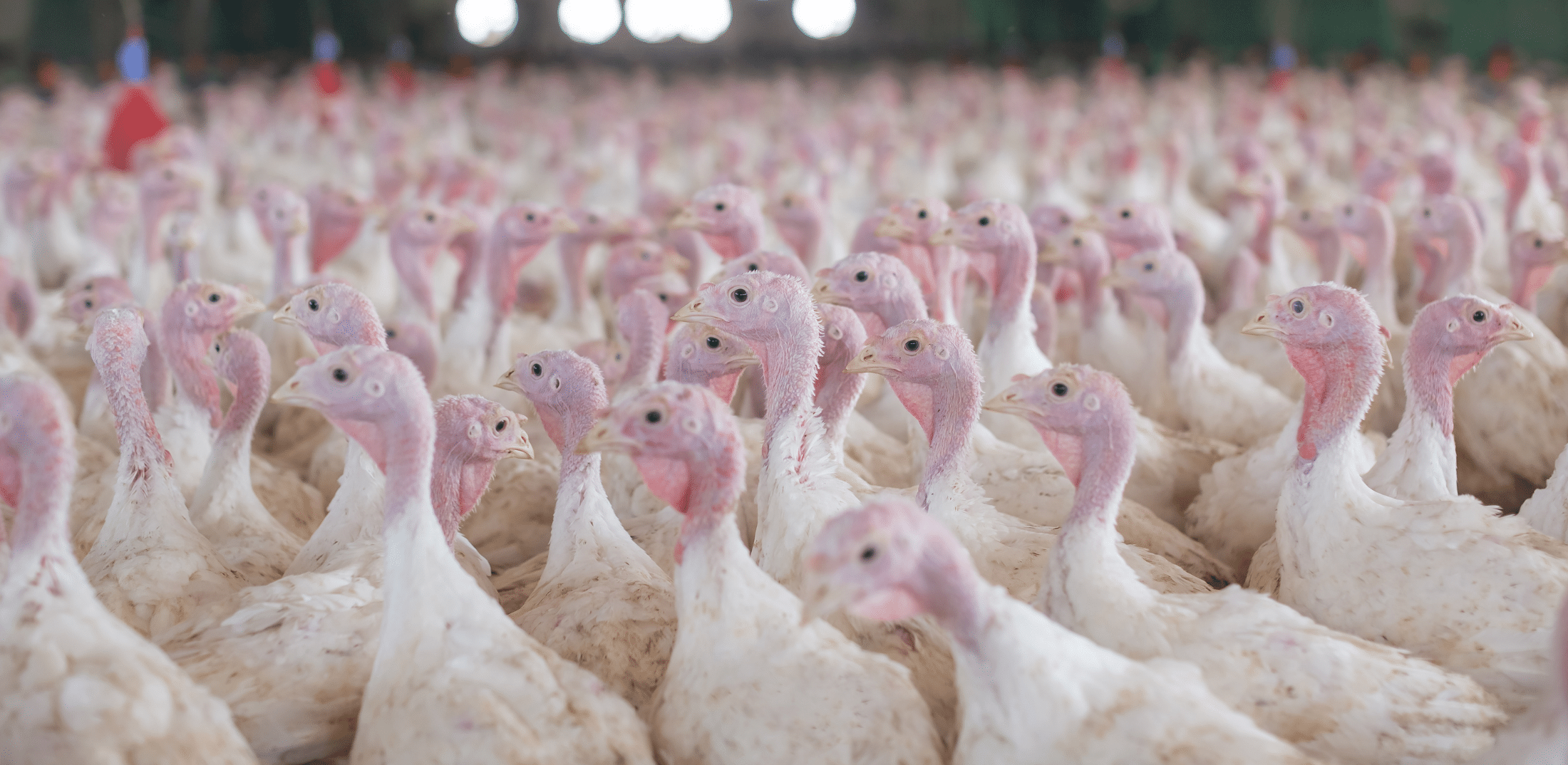
This Thanksgiving, Americans will consume around 46 million turkeys. Around 99.8% of them will come from factory farms. In fact, just three companies control most of the U.S. turkey market: Jennie-O (owned by Hormel), Butterball, and Cargill. This consolidation results in supply chains that are uncompetitive and underpay farmers. It also leaves consumers vulnerable to price-fixing.
Banks over Thanks
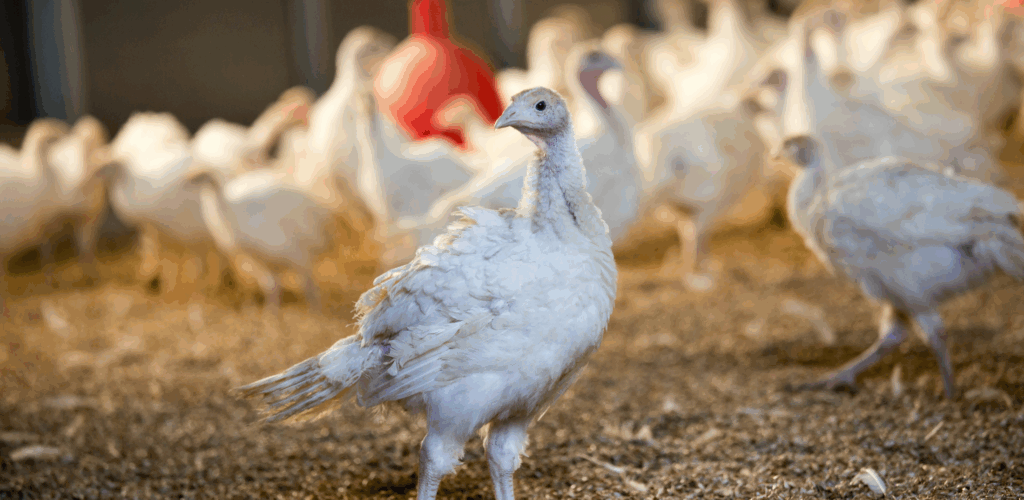
When large corporations control a majority of the market, smaller farmers and producers often pay the price. Around 70% of all turkeys are raised by farmers under unfair contracts. Forced to keep up with corporate demands and vulnerable to volatile market prices, they are at the mercy of their integrators. For every dollar consumers spend on their holiday turkeys, farmers take home only three cents.
To make matters worse, vertical integration of our agricultural systems has enabled large companies to own every step of the production process from farm to fork. This shift gives these companies more control over pricing, production, and availability.
Price-Fixing: Megacorporations’ Gravy Train

The effects of corporate control ripple out to consumers as well. Fewer choices, higher prices, and misleading marketing are all direct consequences. Earlier this year, Cargill settled a price-fixing lawsuit, paying out over $32 million for allegedly overcharging customers. This class action lawsuit, brought by grocery wholesalers and other direct purchasers, claimed that the meatpacking giants shared sensitive data in order to raise prices and profits.
This is textbook anticompetitive behavior. In recent years, big meat companies have paid hundreds of millions of dollars in class action settlements related to price-fixing and wage-fixing. Because some of these corporations have profit margins in the billions of dollars, these settlements are merely a slap on the wrist.
Your Feast’s Footprint
Most of us are aware that factory farming has a significant environmental footprint. Though dairy and beef farming account for the lion’s share of that footprint, poultry farming is also a culprit. Waste materials like poultry litter and manure are linked to ammonia, nitrous oxide, and methane, which contribute to greenhouse gas emissions.
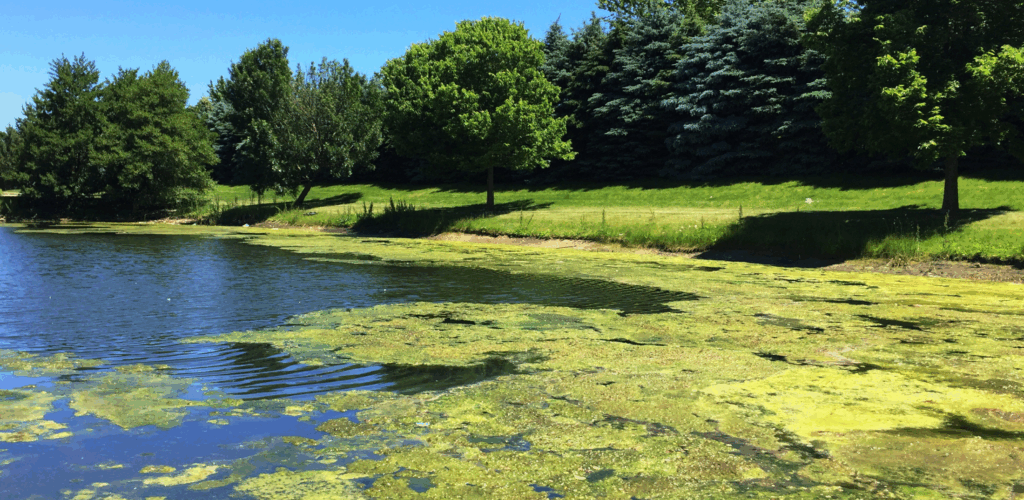
Intensive farming practices are also the main cause of excess nutrients in our waters. In fact, slaughterhouses and meat-processing facilities are top industrial sources of phosphorus and nitrogen pollution. These nutrients are notorious for promoting algae blooms, which create oxygen-deprived zones that cause aquatic animals to flee or die. They can also harm shore birds and marine mammals who depend on fish for survival.
What About the Turkeys?
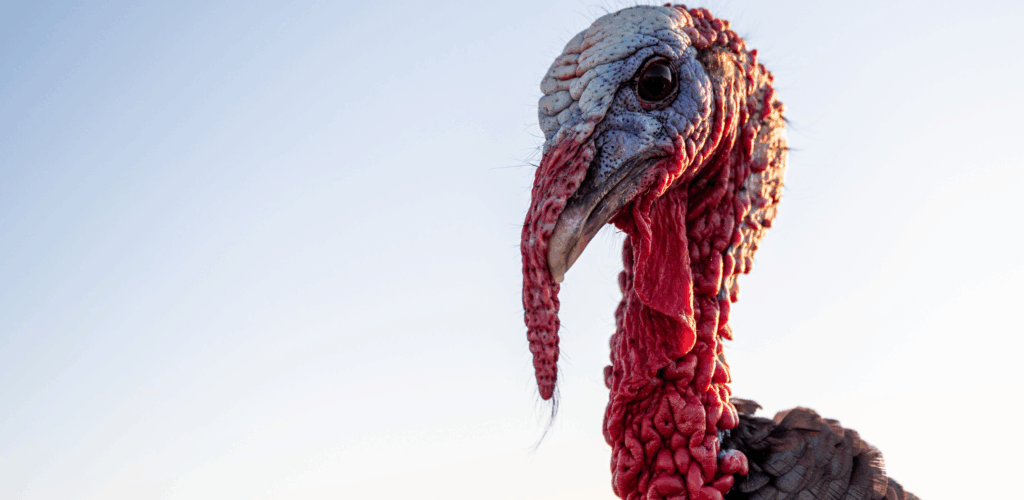
Of course, the hallmark of industrial animal agriculture is the crowded, inhumane conditions in which turkeys and other animals must live. Up to 21,000 turkeys can live in a single barn, where each bird has about 2.5 feet of floor space on average. Under normal circumstances, this intensive confinement is a breeding ground for disease and injury. However, highly pathogenic avian influenza, or bird flu, creates additional concerns among farmers and consumers alike.
To date in 2025, 2.2 million turkeys have been affected, including over 600,000 in September alone. As waterfowl migration season has begun, an increase in cases is expected to pose supply issues, which will raise the price of turkey products in stores and result in the killing of entire flocks in one fell swoop.
According to the Centers for Disease Control and Prevention, risk to humans remains low, but concerns remain as intensive farming practices provide the perfect breeding ground for viral mutation and spread.
The Roast Is History: It’s Time for a Change

Keep corporate greed off your shopping list this year! Our corporatized, consolidated food system operates at the expense of farmers, animals, and the planet. As we prepare to give thanks and celebrate with our loved ones this holiday season, we’re reminded of the importance of rebuilding our food system.
At The Transfarmation Project®, we believe that farmers deserve more than to be pawns in a corporate game. They deserve autonomy, fair pay, and the ability to build sustainable businesses that nourish their communities. We believe that animals deserve better than the cruel, crowded conditions of factory farms. We believe our environment is worth protecting. That’s why we work every day to help farmers transition out of industrial animal agriculture and into a more just and resilient future.
This fight affects everyone. A food system controlled by a few corporations is fragile and unsustainable. But a food system led by independent farmers, growing diverse and sustainable crops—that’s a food system built to last.